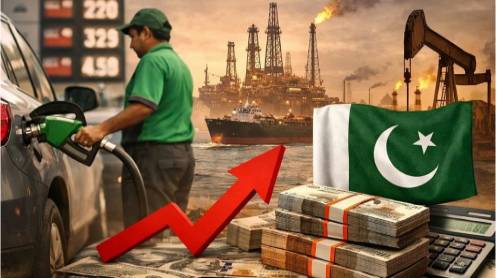
ISLAMABAD: Pakistan’s energy situation is coming under increasing pressure as disruptions to major Gulf energy transit routes drive up international fuel prices, while the government seeks to protect consumers and maintain electricity generation through greater reliance on domestic resources.
Federal Energy Minister Sardar Awais Ahmad Khan Leghari and Climate Change Minister Musadik Malik warned on Tuesday that disruptions around the Strait of Hormuz and Bab el-Mandeb could further complicate fuel supplies and increase the cost of energy imports.
The ministers said government planning and increased use of domestic energy resources had helped limit the impact of the international supply shock.
Domestic Resources Supply 72% of Power Generation
According to Energy Minister Awais Leghari, 72 per cent of Pakistan’s electricity generation in August 2026 came from domestic resources.
Hydropower accounted for 38 per cent, followed by local coal at 11 per cent, nuclear at 10 per cent, local gas at 7 per cent, wind at 6 per cent and solar at 1 per cent. The remaining 28 per cent came from imported coal and RLNG, according to the minister.
Leghari said disruptions to the RLNG supply chain had pushed spot cargo prices to around $23–25 per MMBtu, making imported gas considerably more expensive.
He said the government responded by coordinating with the Petroleum Division and other relevant authorities to arrange additional domestic gas for the power sector, reducing the need for expensive RLNG purchases.
According to the minister, without the additional domestic gas, the power sector could have faced approximately one additional hour of load management, while greater reliance on furnace oil or imported RLNG could have increased the burden on electricity consumers by around Rs10.6 billion.
Fuel Prices Continue to Rise
The energy pressures are also being felt in the transport sector.
International crude oil prices have again crossed the $100-per-barrel threshold amid concerns over supply disruptions, increasing pressure on Pakistan’s domestic petroleum prices.
Petrol and high-speed diesel prices were raised by a further Rs4 and Rs6 per litre, respectively, in the latest adjustment, adding to a series of increases during the week.
The government has responded with the Prime Minister’s Fuel Relief Scheme, aimed at providing targeted support to vulnerable consumers affected by higher petrol prices.
Fuel Relief Scheme to Expand Nationwide
The National Steering Committee on Fuel Subsidy, chaired by Deputy Prime Minister Ishaq Dar, directed that payments to fuel stations participating in the scheme be processed within 24 hours.
Following a pilot programme in Islamabad, the scheme is scheduled for nationwide implementation.
Under the scheme, eligible motorcyclists will receive subsidised petrol for up to five litres per week, while eligible car owners will receive relief on up to 10 litres every 10 days.
Musadik Malik said the government would provide Rs100 per litre in relief, while the petroleum levy and carbon levy currently amount to Rs85 per litre combined.
The minister acknowledged that the relief would not completely offset the impact of higher fuel prices, but said the government was providing what it considered financially manageable support under the prevailing economic conditions.
Government Denies Reports of New Lockdown Measures
The sharp increase in fuel prices, combined with comments about possible austerity measures, had triggered speculation about the reintroduction of so-called “smart lockdowns”.
However, Musadik Malik and Minister for Parliamentary Affairs Dr Tariq Fazal Chaudhry rejected the reports, saying no such decision had been taken.
Pakistan had previously introduced restrictions on business timings during an earlier period of energy and fuel pressures, including measures that required shops and markets to close earlier.
Power Sector Also Under Pressure
The government’s immediate challenge is to maintain electricity generation while limiting the impact of expensive imported fuels on consumers.
According to Leghari, timely fuel-management decisions helped keep the August 2026 Fuel Cost Adjustment (FCA) at around Rs1.73 per unit, compared with Rs2.0851 per unit in July.
The minister said the greater use of domestic resources also helped conserve foreign exchange at a time when international fuel markets were under pressure.
Pakistan’s energy system, however, remains exposed to international fuel-market volatility because a significant portion of power generation and transport demand still depends on imported fuels.
Energy Security Becomes a Growing Concern
The latest developments underline the importance of Pakistan’s domestic energy resources, particularly hydropower, local coal, indigenous gas, nuclear power and renewable energy.
The government is simultaneously facing the challenge of securing sufficient fuel supplies for transport and power generation while containing the impact of international price shocks on consumers.
With disruptions affecting major global energy routes, the immediate focus remains on maintaining fuel availability, managing electricity generation costs and ensuring targeted relief for vulnerable consumers.
The coming weeks will be critical for Pakistan’s energy sector as international oil and gas prices, regional security conditions and the availability of imported and domestic fuels continue to shape the country’s energy outlook.
Story by Syed Irfan Raza