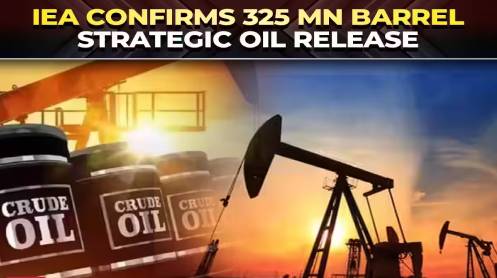
PARIS: International Energy Agency (IEA) member countries have so far released around 325 million barrels of crude oil and petroleum products from strategic reserves, representing more than 80 percent of the 400 million barrels pledged in March, the agency said.
The update came a day after G7 countries, in coordination with the IEA, agreed to release another 100 million barrels of crude oil and petroleum products over the next four months to ease growing concerns over global energy supplies following the US-Iran conflict.
The G7 did not clarify whether the latest 100 million-barrel release includes the 75 million barrels still outstanding from the March commitment or represents an additional release.
The US administration has been urging allies to release diesel reserves to contain a sharp rise in fuel prices, with tighter supplies being felt in the United States and other markets.
The IEA said the disruptions were partly linked to the conflict in the Middle East, with Iran restricting shipping through the Strait of Hormuz in response to US and Israeli attacks. The situation has also been compounded by Ukrainian strikes on Russian oil refineries amid the ongoing conflict between Moscow and Kyiv.
In a statement, the IEA said around 325 million barrels from the collective action announced on March 11 had already been released, accounting for more than 80 percent of the 400 million barrels initially pledged by its 32 member countries.
The March commitment involved all G7 members — Britain, Canada, France, Germany, Italy, Japan and the United States — along with other IEA member states.
Under the latest G7 agreement, member countries will release 100 million barrels of oil and petroleum products during the next four months, with a significant portion of diesel supplies to be released within the first 20 days.
The G7 countries also agreed not to impose restrictions on diesel exports among themselves, effectively addressing a proposal previously raised by Washington. US President Donald Trump later said the proposed restrictions would not be implemented.
By AFP