
ISLAMABAD: Federal Petroleum Minister Ali Pervaiz Malik arrived in Saudi Arabia on Saturday to attend a high-level international energy conference as Pakistan grapples with rising fuel prices, disrupted liquefied natural gas (LNG) supplies and mounting pressure to control subsidies.
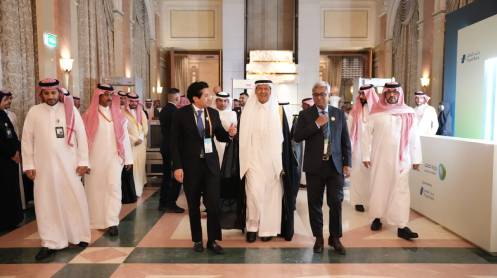
Malik is scheduled to participate in the 17th International Energy Forum (IEF) Ministerial in Riyadh, which is hosted by Saudi Arabia and co-hosted by Italy and Nigeria. The meeting brings together officials from major energy-producing and consuming countries, alongside executives from leading energy companies, including Saudi Aramco, ExxonMobil, Shell and BP.
Rabia Khalid, a spokesperson for the petroleum ministry, confirmed Malik’s arrival to Arab News, saying the minister would participate in the conference beginning Sunday.
According to the agenda, Malik is scheduled to speak during a session on investment and trade in sustainable energy solutions, focusing on making energy cleaner, more accessible and affordable.
His visit comes as Pakistan faces mounting energy supply challenges linked to the US-Iran conflict, which has disrupted LNG shipments from Qatar and increased the cost of energy imports. Petrol and diesel prices have risen sharply since the conflict began in late February, approaching Rs400 per litre.
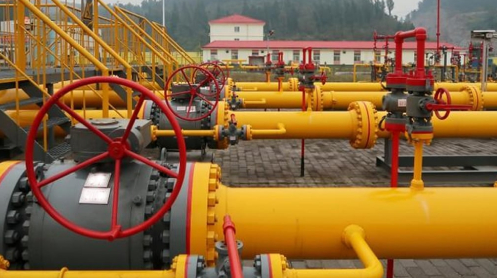
QatarEnergy, a major LNG supplier to Pakistan under long-term agreements, has extended its suspension of deliveries until November 5. The disruption has forced Islamabad to seek alternative supplies ahead of winter, when household demand for natural gas typically increases.
The shortage has also raised concerns about electricity generation. Karachi’s power utility, K-Electric, warned that it could be forced to impose power cuts during evening and nighttime peak hours because of limited supplies of regasified LNG used in power generation.
Rising fuel costs have also complicated the government’s efforts to balance consumer relief with its commitments under the $7 billion International Monetary Fund (IMF) programme.
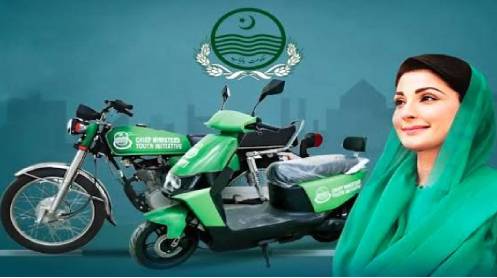
Last month, Islamabad introduced a fuel relief scheme offering discounted petroleum products to eligible motorcycle riders, rickshaw operators and small-car owners. However, the IMF has urged the government to phase out the programme, citing its fiscal cost and broad coverage.
The government has continued the scheme despite the lender’s concerns over the financial burden of fuel subsidies amid rising international energy prices.
Meanwhile, Pakistan and the IMF reached a staff-level agreement on Wednesday that could unlock approximately $1.2 billion in financing, subject to approval by the lender’s executive board. The IMF also highlighted the economic risks arising from the conflict in the Middle East.
Malik’s participation in the Riyadh meeting provides an opportunity for Pakistan to engage with international energy stakeholders on supply security, investment and sustainable energy solutions as the country seeks to manage import costs and reduce the impact of energy disruptions on consumers and the wider economy.