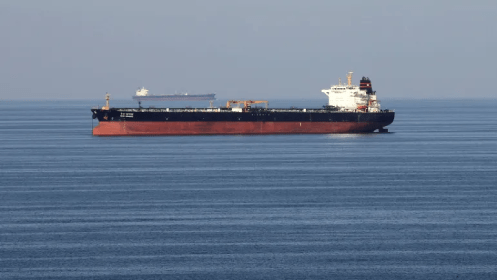
The closure of the Strait Harmuz” is likely a would be a catastrophic global event with severe and far-reaching consequences, primarily due to its role as the world’s most critical oil transit chokepoint. Here’s a breakdown of the major consequences:

Strait Harmuz

Why is Closure Considered Possible (though unlikely long-term)? In Summary: The closure of the Strait of Hormuz would be an unparalleled economic and geopolitical shock. It would cause an immediate global energy crisis, trigger a deep recession, spike inflation, disrupt all global trade, massively increase shipping costs, and carry a very high risk of escalating into a major regional or even wider conflict. While perhaps not permanently sustainable for any actor, even a temporary closure would have devastating global consequences. It remains the single most significant potential flashpoint for the…

Read More

A long but AN EXCELLENT write up by Professor Junaid Ahmad covers all. You may differ but it is worth reading to the end.

Munir’s journey to Washington

But Munir’s journey to Washington wasn’t to reminisce over old alliances. He came to renew vows—between client and master, between gun and gold. And the message he delivered was crisp, calculated, and unmistakable: Pakistan remains a subcontractor for American power, ever willing to whisper verses of moral clarity in public while striking Faustian bargains in private. Take Gaza. As Israeli bombs pummel a besieged population and Western leaders squirm under the weight of their own hypocrisy, Islamabad offers its routine package of condemnations—pre-written, perfunctory, and purposely ineffectual. Munir’s regime weeps…

Read More

The closure of the Strait Harmuz” is likely a would be a catastrophic global event with severe and far-reaching consequences, primarily due to its role as the world’s most critical oil transit chokepoint. Here’s a breakdown of the major consequences:

Strait Harmuz

Why is Closure Considered Possible (though unlikely long-term)? In Summary: The closure of the Strait of Hormuz would be an unparalleled economic and geopolitical shock. It would cause an immediate global energy crisis, trigger a deep recession, spike inflation, disrupt all global trade, massively increase shipping costs, and carry a very high risk of escalating into a major regional or even wider conflict. While perhaps not permanently sustainable for any actor, even a temporary closure would have devastating global consequences. It remains the single most significant potential flashpoint for the…

Read More

𝗜𝗻𝗱𝗶𝗮’𝘀 𝗣𝗹𝗮𝗻 𝘁𝗼 𝗗𝗶𝘃𝗲𝗿𝘁 𝗜𝗻𝗱𝘂𝘀 𝗥𝗶𝘃𝗲𝗿 𝗳𝗹𝗼𝘄: 𝗔 𝗖𝗿𝗶𝘁𝗶𝗰𝗮𝗹 𝗧𝗿𝗮𝗻𝘀𝗯𝗼𝘂𝗻𝗱𝗮𝗿𝘆 𝗪𝗮𝘁𝗲𝗿 𝗖𝗿𝗶𝘀𝗶𝘀 𝗜𝗻 𝗠𝗮𝗸𝗶𝗻g. Sindh province would be badly affected.

ijdus river

India is reportedly moving forward with a massive plan to construct 10 new mega hydropower projects in Ladakh, strategically placed to control the headwaters of the Indus River. Projects like Achinathang-Sanjak, Pharphila, Sumda (Batalik), and Khaltsi may be marketed as progress—but in reality, they pose a serious risk to the region’s water security. 𝗧𝗵𝗶𝘀 𝗜𝗻𝗱𝗶𝗮𝗻 𝗮𝗰𝘁 𝗼𝗳 𝘄𝗮𝘁𝗲𝗿 𝗮𝗴𝗴𝗿𝗲𝘀𝘀𝗶𝗼𝗻 𝘄𝗶𝗹𝗹 𝗱𝗲𝗲𝗽𝗹𝘆 𝗮𝗳𝗳𝗲𝗰𝘁 𝗦𝗶𝗻𝗱𝗵 𝗽𝗿𝗼𝘃𝗶𝗻𝗰𝗲 𝗮𝗻𝗱 𝗶𝘁𝘀 𝗽𝗲𝗼𝗽𝗹𝗲. Home to millions, Sindh relies heavily on the Indus for agriculture, drinking water, and livelihoods. Blocking or altering river flow upstream could trigger…

Read More

Tariq Ismail Sagar writes: Will Pakistan eventually have to launch a nuclear attack on India over water?

nuclear-energy

This article is titled: “Will Pakistan eventually have to launch a nuclear attack on India over water?” Let us explain how India has already waged war against Pakistan, and how it continues to succeed in this war, while the Pakistani public and its rulers sleep soundly, under the illusion that India has not deployed its military against Pakistan on the battlefield. As expected, the World Bank rejected Pakistan’s complaints and evidence regarding the construction of the Kishanganga Dam, calling them insufficient. This is a major diplomatic defeat for Pakistan. The…

Read More