War or peace on the Indus?

water-karachi

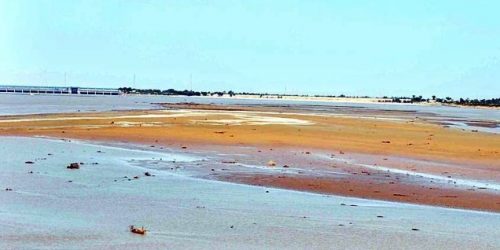
War or peace on the Indus? May 6, 2025 John Briscoe Anyone foolish enough to write on war or peace in the Indus needs to first banish a set of immediate suspicions. I am neither Indian nor Pakistani. I am a South African who has worked on water issues in the subcontinent for 35 years and who has lived in Bangladesh (in the 1970s) and Delhi (in the 2000s). In 2006 I published, with fine Indian colleagues, an Oxford University Press book titled India’s Water Economy: Facing a Turbulent Future…

Read More

Yemen Attacks on Ships: Rising Tensions Lead to Petrol Price Hike

Yemen Attacks on Ships

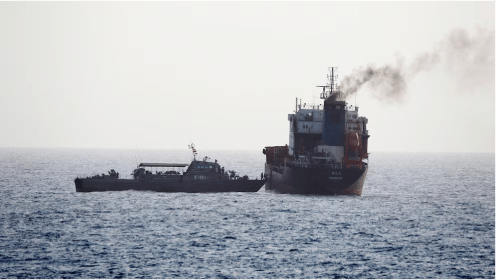
The recent escalation of attacks on commercial ships in the Red Sea by Yemen’s Houthi rebels has triggered global concerns, particularly regarding fuel prices. With major shipping routes under threat, oil transportation has been disrupted, leading to fears of a surge in petrol prices. Impact on Global Oil Supply The Red Sea is a crucial transit point for oil shipments from the Middle East to Europe and other parts of the world. Any disruption in this area forces oil tankers to take longer, more expensive routes, such as around the…

Read More

Maintaining the current solar net-metering policy can save $1.5-2 billion annually on the energy import bill, reduce circular debt by Rs400-500 billion by displacing costly fossil fuels, cut CO2 emissions by over 10 million tons per year, and support achieving Pakistan’s target of 60% renewable energy by 2030.

solar net-metering policy

If the new net metering policy is implemented—reducing buyback rates or imposing additional charges—the future of Pakistan’s solar industry could face significant setbacks: In short: Investment will slow, growth will stall, and Pakistan will miss out on cheaper, cleaner energy opportunities.

Read More

The Current pricing structure is detrimental to the Global LNG industry. Long-term contracts involve substantial financial obligations, creating challenges. Financial speculation intensifies price volatility in the spot market, undermining the long-term development of the LNG industry.

LNG industry.

Hedge funds and algorithmic trading have significantly amplified market instability, capitalizing on fear to drive speculative trades. It resulted in artificial price spikes, disconnecting it from fundamental supply and demand dynamics. Physical buyers have faced liquidity crises. Unregulated trading platforms exacerbated market instability by facilitating unchecked speculation. Speculative trading volumes far exceed actual consumption, artificially inflating TTF prices, decoupling from fundamentals, and disrupting global pricing benchmarks including Asian LNG Market. The LNG industry’s “use it or lose it” model is driven by need for continuous operations to justify its high…

Read More

Why Oil Companies Are Walking Back From Green Energy

crude oil

As leaders gather for a global climate summit, investors are rewarding oil giants like Exxon Mobil that did not embrace wind and solar. When oil and gas companies made ambitious commitments four years ago to curb emissions and transition to renewable energy, their businesses were in free fall. Demand for the fuels was drying up as the pandemic took hold. Prices plunged. And large Western oil companies were hemorrhaging money, with losses topping $100 billion, according to the energy consulting firm Wood Mackenzie. Renewable energy, it seemed to many companies…

Read More