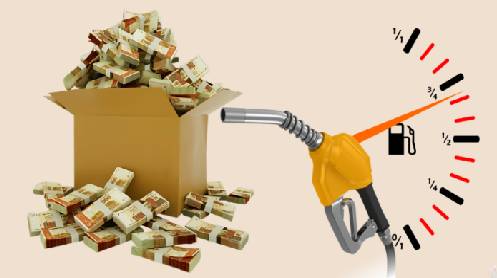
Business leaders say shipping surcharges, longer transit times and higher diesel prices threaten trade competitiveness and could strain forex reserves Pakistan’s business community has warned that escalating tensions in the Middle East and the disruption of shipping through the Strait of Hormuz could severely impact the country’s exports, energy imports and foreign exchange stability. In a statement issued on Monday, Federation of Pakistan Chambers of Commerce and Industry (FPCCI) President Atif Ikram Sheikh said the crisis had already unsettled global shipping markets after the outbreak of the Iran conflict in…
Read MoreCategory: Latest News
No LNG Availability in the Country After April 14: Petroleum Secretary
Islamabad: The Petroleum Secretary has announced that LNG will not be available in the country after April 14, which will result in the power sector’s gas requirements not being fully met in April. The announcement came during a meeting of the Senate Standing Committee on Petroleum, chaired by Senator Manzoor Ahmed, which reviewed petroleum product prices and availability across the country. During the briefing, the Petroleum Secretary stated that supply of petroleum products has been affected due to tensions in the Middle East. Pakistan imports nearly 70% of its petroleum…
Read MorePower Generation Merger Faces Bureaucratic Hurdles in Power Division Pakistan
ISLAMABAD: A planned restructuring of state-owned power generation companies has encountered resistance within the bureaucratic setup of the Power Division Pakistan and its subordinate entities, delaying efforts to merge several outdated power plants into the National Power Parks Management Company (NPPMC). Sources said the reform plan—endorsed by the National Task Force on Energy and Federal Power Minister Sardar Awais Ahmed Khan Leghari—aims to consolidate oil-based and redundant generation companies (Gencos 1 to 4) into NPPMC. The initiative is part of broader power sector reforms designed to reduce electricity tariffs and…
Read MoreOil Price Shock Could Cut Pakistan GDP by Up to 1.5%, Experts Warn
KARACHI: Prolonged high global oil prices triggered by the ongoing Middle East conflict could reduce the GDP of Pakistan by 1 to 1.5 percent if crude prices remain around $100 per barrel or higher, according to former finance minister Hafiz Pasha. Pasha warned that the most severe impact would be felt in Pakistan’s external sector, where the country could face a negative shock of $12–14 billion over the next year. The surge would be driven largely by petroleum imports, which may rise by 25–30 percent as global oil prices climb.…
Read MoreIran Holds Key to Reopening Global Energy Markets Amid Gulf Conflict
DUBAI/BAGHDAD: The ongoing Gulf conflict has shifted the balance of influence in global energy markets, with Iran emerging as a central player in determining when normal oil and gas flows may resume. The shift became evident after Saudi Aramco informed its global oil buyers in a letter this week that it was uncertain which port would be used for April crude exports. According to the communication, shipments could be routed through the Red Sea or still originate from Gulf terminals, reflecting growing uncertainty caused by the shutdown of the Strait…
Read More