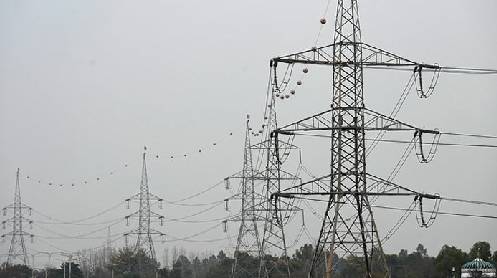
ISLAMABAD: Development Finance Institutions (DFIs) with financial stakes in Independent Power Producers (IPPs) have approached the National Electric Power Regulatory Authority (NEPRA) Chairman to revise tariff determinations, adjusting the benchmark interest rate from the London Interbank Offered Rate (LIBOR) to Term SOFR (Secured Overnight Financing Rate) plus Credit Adjustment Spread (CAS), sources in NEPRA report. DFIs, including the Asian Development Bank (ADB), British International Investment Plc (BII), International Finance Corporation (IFC), Islamic Development Bank (ISDB), and others, have extended financing to various IPPs in Pakistan. Previously, the energy tariffs and…
Read MoreCategory: Shortcode
Denmark and SDPI Launch Second Phase to Boost Pakistan’s Carbon Market Potential
ISLAMABAD: The Sustainable Development Policy Institute (SDPI) and the Embassy of Denmark in Pakistan have commenced the second phase of their initiative, Unlocking the Potential of Carbon Markets in Pakistan, aimed at enhancing industry and SME access to carbon markets. At a reception attended by diplomats, policymakers, and industry leaders, Danish Ambassador Jakob Linulf highlighted the project’s achievements in bridging knowledge gaps and strengthening federal-provincial collaborations. “With Danish expertise and SDPI’s support, we are now empowering businesses to capitalize on economic opportunities in carbon markets, advancing Pakistan’s climate goals,” Linulf…
Read MoreIMF Seeks Progress on Pakistan’s Digital Revenue Overhaul, Eyes Power Sector Reforms
Finance minister meets IMF mission chief for introductory talks Pakistan to redirect gas from captive power plants (CPPs) to national grid by January 2025Joint session with power and petroleum divisions to address energy sector challenges ISLAMABAD: The International Monetary Fund (IMF) has requested an in-depth, results-oriented update on Pakistan’s revenue system digitalisation efforts, focusing on AI-driven initiatives to expand the tax base and improve collections. Alongside these fiscal objectives, power sector reforms, especially those addressing the circular debt and gas supply policies, are high on the agenda. A critical reform…
Read MoreEmpowering Homes: The Growth of Low-Voltage Energy Storage and Solis’s S6-EH3P (8-15) K Inverter in Pakistan
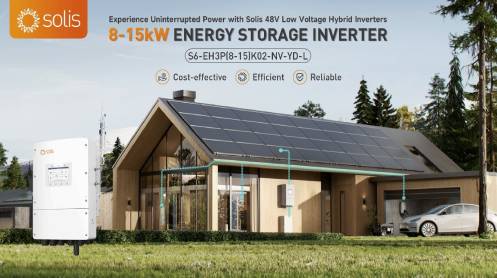
As the demand for affordable, scalable residential energy storage grows across Asia, Africa, and the Middle East, low-voltage systems are emerging as a leading choice for households in Pakistan. Known for their cost-efficiency, safety, and adaptability, these systems help homeowners manage and store energy effectively, fostering energy independence in residential spaces. This article explores the shift toward low-voltage systems in Pakistan’s residential energy market, spotlighting the Solis S6-EH3P (8-15) K inverter—an ideal solution tailored for reliable and flexible energy storage at home. Generator Integration: Seamlessly switches between battery and generator…
Read MoreNet Metering’s Unseen Consequences
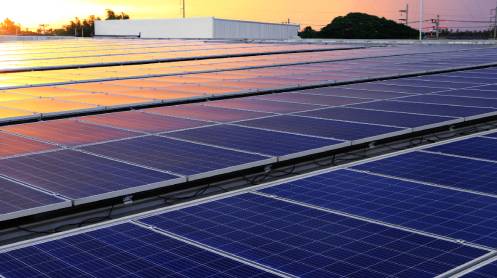
Net Metering’s Unseen Consequences November 12, 2024 Seeking Equity in Renewable Energy Transition By Asim Javed The National Electric Power Regulatory Authority (NEPRA) implemented Distributed Generation and Net Metering Regulations in September 2015, which enable consumers to connect photovoltaic systems to the grid. The objective of these regulations was to encourage the use of renewable solar energy and to allow consumers to lower their electricity bills by utilising the grid as a virtual battery. Solar households can transfer surplus energy to the grid during the day and retrieve it at…
Read More