The upcoming month promises relief for consumers as petrol and High-Speed Diesel (HSD) prices in Pakistan are anticipated to decrease by significant margins. International oil price reductions and stable premium rates have paved the way for these adjustments, set to take effect on May 1. The federal government is poised to lower petrol prices by Rs4.88 per liter and HSD prices by Rs7.37 per liter. Kerosene oil rates are expected to drop by Rs8.03 per liter, while light diesel oil (LDO) prices are likely to decrease by Rs5.37 per liter.…
Read MoreCategory: Shortcode

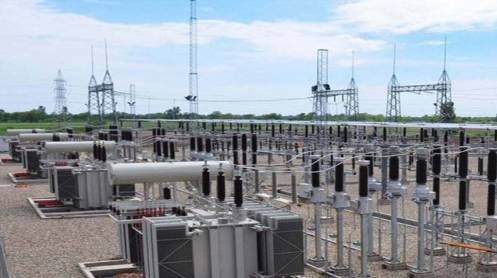
PM Shehbaz Sharif Approves Reforms for Affordable Industrial Power
Prime Minister Shehbaz Sharif has given the green light to reform the National Transmission and Dispatch Company (NTDC) and has established a “special cell” for effective implementation. In a meeting focusing on electricity sector reforms, the PM directed the creation of a comprehensive plan to provide power-efficient fans at affordable rates to those in need. Discussions also delved into issues surrounding power distribution companies, their losses, potential privatization, and outsourcing. PM Shehbaz emphasized the need for tariff rationalization, particularly for industries and domestic consumers. He urged the preparation of a…
Read MoreGovernment’s Clean Energy Policy Under Scrutiny
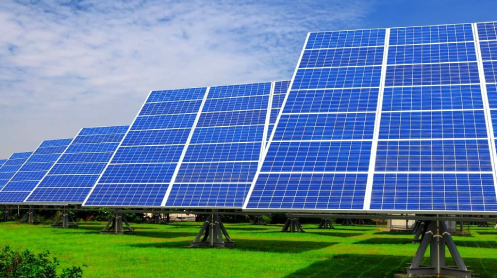
Pakistan’s government faces scrutiny over its conflicting energy policies, as it touts promoting solar energy while planning to expand IPP contracts. Reports indicate the Ministry of Power is busy discouraging solar panel installations: The Central Power Purchasing Agency has sent a summary to the Power Ministry proposing to charge Rs. 2000 per kilowatt from solar panel grids, up from Rs. 12 per kilowatt.The government plans to charge domestic or commercial solar panel owners Rs. 2000 per kilowatt, intending to collect Rs. 24,000 from 12-kilowatt solar panel users.The Power Division has…
Read MoreIEA Predicts Sharp Drop in Battery Costs to Accelerate Renewable Energy Adoption
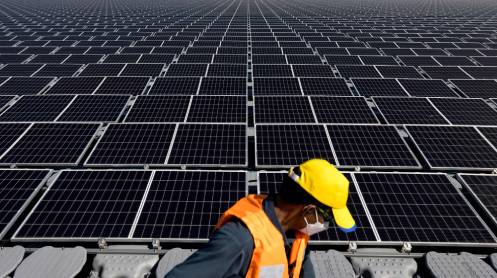
LONDON, April 25 (Reuters): According to the International Energy Agency (IEA), the anticipated significant decline in battery costs for energy storage in the coming years will hasten the global shift towards renewable energy and away from fossil fuels. The IEA’s Batteries and Secure Energy Transitions report highlights the crucial role of energy storage in ensuring the reliability of renewable sources like solar and wind power. By 2030, the total capital costs of battery storage are expected to plummet by up to 40%, making renewable energy coupled with storage systems more…
Read MoreChina’s Coal Consumption to Decrease Modestly by 2040, Despite Global Climate Objectives
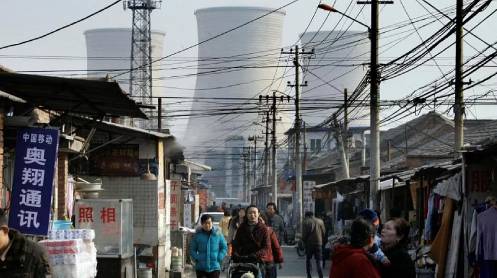
A recent report by Norwegian risk assessment firm DNV suggests that China’s coal consumption, although expected to decline by one-third by 2040, will still remain a significant part of its energy mix. This outlook contradicts global climate goals that aim to phase out coal power capacity by 2040 to limit temperature rises. According to the report, China’s coal consumption will experience a minor increase in the next two years before gradually decreasing. However, coal will continue to play a substantial role, comprising around 25% of its peak consumption by 2050.…
Read More