KARACHI: Climate experts have expressed concern over the slow implementation of the Karachi Climate Action Plan (KCAP), warning that the city faces growing risks from extreme heat, urban flooding, drought, coastal hazards, air pollution and the rapid loss of green spaces.
Thank you for reading this post, don't forget to subscribe!The experts were speaking at a media dialogue on the KCAP jointly organised by The Knowledge Forum (TKF), Karachi Union of Journalists (KUJ) and Local Government Reporters Association Karachi at a local hotel. Speakers also warned that Karachi could face heightened climate risks amid projections of a Super El Niño.
Two presentations at the event focused on the city’s climate action strategy and its changing energy landscape.
Mashood Tariq of the Urban Research and Design Cell at the NED University of Engineering and Technology’s Department of Architecture and Planning said Karachi was experiencing increasingly severe climate risks and required urgent and coordinated action.
He said the KCAP provided a roadmap for Karachi to achieve emissions neutrality by 2050, along with an ambitious interim target for 2030. The plan also aims to strengthen the city’s ability to adapt to current and future climate hazards while ensuring that the social, environmental and economic benefits of climate action are distributed more equitably.
Tariq stressed that the KCAP required periodic review and updating of its targets through the proposed Directorate of Environment and Climate Change as part of its governance framework.
He warned that Karachi’s greenhouse gas emissions could almost double by 2040 and triple by 2050 if urgent mitigation measures were not implemented. As a member of the C40 network of major cities, Karachi is expected to work towards carbon neutrality by 2050, he added.
The rapid expansion of Karachi’s built-up area was identified as a major factor behind the city’s increasing climate vulnerability. Tariq said the built-up area expanded from 270 square kilometres in 2013 to 538 square kilometres in 2023.
Over the same period, grass and shrubland declined by 45 per cent, agricultural land by 59 per cent and mangrove areas by 23 per cent. He said the loss of natural areas was increasing the city’s exposure to heat, flooding and other climate hazards.
The KCAP proposes measures including the conservation and expansion of mangrove forests, improvements to drainage infrastructure, floodwater storage and restoration of natural riverbeds. It also calls for greater urban green spaces, improved industrial energy efficiency and reductions in greenhouse gas emissions from solid waste and sewage.
Tariq emphasised that effective sewage and solid waste management was essential because accumulated waste and blocked drains significantly increase the risk of urban flooding during heavy rainfall.
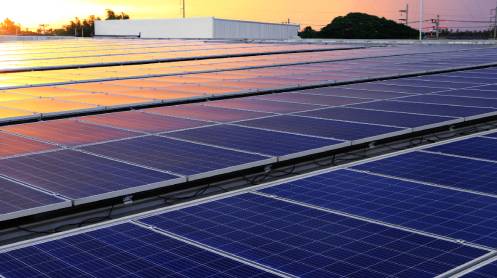
Clean energy expert Basil Andrews of TKF discussed Karachi’s changing energy landscape and the challenges faced by electricity consumers. He said rooftop solar adoption had increased substantially across Pakistan amid rising electricity tariffs, energy shortages and persistent load-shedding.
According to Andrews, solar panels with an estimated combined capacity of around 50,000MW have entered Pakistan, largely from China. He estimated that approximately 2,300MW of solar capacity had been installed in Karachi alone, marking a significant shift in the city’s electricity mix.
Of Karachi’s estimated solar capacity, around 606MW had been integrated into the K-Electric system through net metering, he added.
Andrews said wind energy technologies for both small- and large-scale applications were also gradually emerging, offering opportunities to expand cleaner and more locally available sources of electricity.
However, he cautioned that the benefits of the energy transition were not yet reaching smaller consumers and vulnerable sections of society. He said K-Electric had become increasingly reliant on electricity purchased from the national grid because of its comparatively lower cost.
Between FY2020 and FY2025, K-Electric’s electricity imports from the national grid increased from 5,764 gigawatt-hours (GWh) to 10,234GWh, while its own generation declined from 10,185GWh to 6,433GWh, according to figures cited during the presentation.
Referring to a National Electric Power Regulatory Authority (NEPRA) order issued in August 2026, Andrews said commercial losses, electricity theft and non-payment should not be used as a blanket justification for load-shedding affecting consumers who regularly pay their electricity bills.
He stressed that affordable electricity was also essential to protect citizens from the impacts of increasingly frequent extreme weather events. He called for targeted action against electricity theft, upgrades to distribution networks, community- and apartment-based solar solutions, energy storage and greater consumer choice.
“Karachi must move beyond simply managing electricity scarcity towards providing affordable, reliable and inclusive electricity to its consumers,” he said.
During an interactive session, journalists raised questions about the implementation of the KCAP, climate risks, urban planning, the energy transition and the role of civic institutions.
Participants stressed the need for stronger cooperation between civil society and the media to highlight Karachi’s environmental and climate challenges and keep citizens informed about progress on the climate action plan. They also called for closer coordination among civil society organisations, civic bodies, researchers and journalists covering local government institutions.
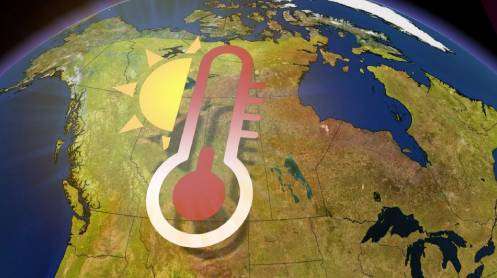
TKF Director Zeenia Shaukat said Karachi was facing multiple interconnected challenges, with rising temperatures partly linked to the expansion of concrete structures and the loss of natural spaces.
She urged journalists to give greater attention to climate change and its impact on Karachi and to regularly report on environmental issues affecting the city’s residents.