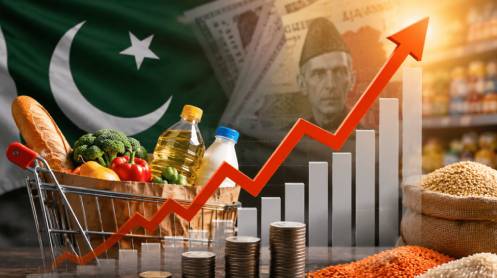
ISLAMABAD: Pakistan’s inflation eased to 10.3pc in September, but remained in double digits as rising electricity and fuel prices offset a significant moderation in food inflation.
Thank you for reading this post, don't forget to subscribe!According to data released by the Pakistan Bureau of Statistics (PBS), prices in the energy group continued to rise on a year-on-year basis, keeping overall inflation above the government’s expectations. The monthly inflation rate also increased by 1.3pc, marking its highest monthly pace since April.
The latest figures came as Pakistan briefed the International Monetary Fund (IMF) on the inflation outlook amid continued price pressures linked to the Middle East conflict.
The government has maintained that inflation will remain below its official target of 8.2pc for the current fiscal year, provided global oil prices ease and regional tensions stabilise.
According to the government’s assessment, if the Middle East situation normalises by October 2026 and average Brent crude prices remain around $80 per barrel, annual inflation could average about 7.5pc. However, if oil prices remain near $100 per barrel through December, inflation could rise to around 8.2pc for the fiscal year.
The government expects inflation to remain elevated through December before gradually moderating, supported by improved domestic supply conditions, higher agricultural output, exchange-rate stability, administrative measures and a favourable base effect in the second half of the fiscal year.
Energy remains key pressure point
PBS data showed that inflation stood at 10.1pc in urban areas and 10.5pc in rural areas during September.
Food inflation moderated significantly, falling to 8.1pc in urban areas from 12.1pc a year earlier, while rural food inflation declined to 7.7pc.
Energy prices, however, moved in the opposite direction. Energy-group inflation accelerated to 11.5pc in urban areas and 13.1pc in rural areas.
Core inflation, which excludes food and energy, also eased, standing between 8.1pc and 8.6pc in urban and rural areas. The official data identified housing, water, electricity, gas and fuel, along with transportation costs, as major sources of continued price pressure.
Petrol prices were 39pc higher year-on-year in September, while the monthly increase was around 11pc. Petrol was priced at about Rs389.4 per litre, while high-speed diesel stood at around Rs400 per litre, adding to transportation costs.
Transport services became 30pc more expensive than a year earlier. Electricity prices increased by 33pc year-on-year and surged another 15pc during the month, adding to the financial burden on consumers.
The continued rise in electricity prices has also contributed to consumers shifting away from the national power grid, particularly as alternative energy sources become more attractive.
Motor vehicle taxes increased by 39pc compared with a year earlier, further adding to household and business expenses.
Food prices show mixed trend
Food inflation showed signs of moderation overall, but several essential commodities recorded substantial annual increases.
Onion prices surged 125pc year-on-year in September, while wheat prices increased by 41pc. Wheat flour prices were also 32pc higher than a year earlier.
The government has meanwhile moved to import around 765,000 tonnes of wheat amid concerns over domestic supply and management issues.
In contrast, prices of potatoes, chicken, eggs and sugar declined significantly during the month, with reductions ranging between 20pc and 30pc.