ISLAMABAD: The government has outlined the New Energy Vehicles (NEV) Policy 2025–30 to promote electric mobility, encourage local manufacturing and reduce reliance on imported components, according to a written reply presented in the National Assembly during Question Hour.
Thank you for reading this post, don't forget to subscribe!Responding to a question by Malik Shakir Awan, the government stated that the policy proposes subsidies of Rs80,000 for electric two-wheelers and Rs400,000 for three-wheelers to make electric vehicles more affordable and accelerate adoption.
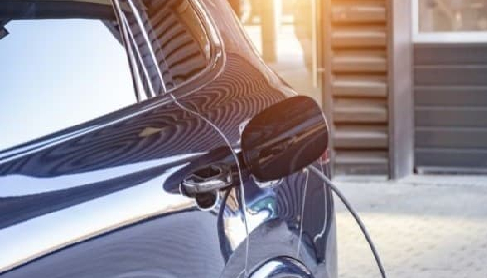
The policy also envisages the establishment of 40 Level-3 fast-charging stations in the initial phase along motorways and selected sections of the N-5 National Highway. The charging network is planned to expand to approximately 3,000 public charging facilities by 2030, including fast, Level-2 and Level-1 chargers, as well as battery-swapping facilities for electric two- and three-wheelers.
Charging stations are also planned at intervals of approximately 50 kilometres along major highways. The government is encouraging existing fuel stations and oil marketing companies (OMCs) to gradually incorporate EV charging facilities, leveraging the country’s established retail fuel network to support electric mobility.
Under the NEV Policy and the Pakistan Accelerated Vehicle Electrification (PAVE) programme, the government aims to develop an integrated electric mobility ecosystem, strengthen domestic manufacturing and reduce dependence on imported vehicles and components.
The Engineering Development Board (EDB) is leading efforts to promote local production by requiring value-addition commitments and prioritising the domestic manufacture of key components, including electric motors, battery packs, power electronics, chargers and wiring systems.
To further reduce upfront costs and encourage adoption, particularly among users of electric two- and three-wheelers, the policy also provides targeted purchase subsidies and subsidised bank financing.
The measures are intended to support the development of Pakistan’s electric vehicle industry, expand charging infrastructure and facilitate the transition towards cleaner transportation.
Story by Asim Yasin