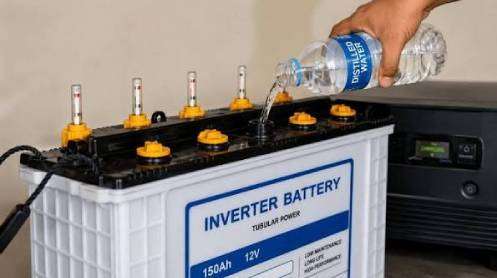
Inverter Battery: When Should You Add Water and How Much Is Enough?
Thank you for reading this post, don't forget to subscribe!With power outages still common in many parts of Pakistan, inverter systems have become an essential backup solution for households. However, simply using an inverter is not enough. Proper battery maintenance is equally important, particularly for conventional lead-acid batteries that require periodic water checks.
Neglecting battery maintenance can reduce backup time, affect performance and shorten the battery’s overall service life.
Check the Water Level Regularly
In conventional lead-acid batteries, the electrolyte level gradually decreases during use. Therefore, the water level should be checked periodically.
If the inverter is used occasionally, the battery can generally be inspected every two to three months. Batteries that are used more frequently may need to be checked sooner.
Allowing the water level to fall too low can expose internal components and potentially reduce the battery’s lifespan.
Signs That the Battery Needs Attention
Reduced backup time, unusual battery heating or declining performance can be signs that the battery needs inspection. However, these problems are not always caused by low water levels. If performance continues to deteriorate after checking the water level, the battery should be inspected by a qualified technician.
Add Water Only to the Recommended Level
When adding water, check the minimum and maximum level markings on the battery. The electrolyte level should remain within the recommended range.
If the level has fallen below the minimum mark, add an appropriate amount of water. Do not fill the battery above the maximum level.
Overfilling can cause electrolyte to spill or leak, potentially damaging the battery and surrounding equipment.
Use Distilled Water
For conventional lead-acid batteries, distilled water is generally recommended. Tap water may contain minerals and other substances that can affect the battery’s internal components and reduce its performance.
However, always follow the battery manufacturer’s instructions, as requirements can vary between battery types and models.
Not Every Inverter Battery Requires Water
It is important to remember that not all inverter batteries are designed to be topped up with water. Maintenance-free, sealed and other battery types may not require or permit routine water addition.
Before opening a battery or adding anything to it, check the manufacturer’s instructions and confirm what type of battery you have.
Keep the Battery Clean
Battery maintenance also includes keeping the terminals and surrounding area clean. Dust, corrosion, moisture or signs of leakage should not be ignored.
If acid leakage or significant corrosion is visible, it is safer to have the battery inspected by a qualified technician rather than attempting repairs yourself.
Follow Basic Safety Precautions
Lead-acid batteries contain acidic electrolyte and should be handled carefully. Wear protective gloves and eye protection when inspecting or servicing them.
Keep cigarettes, flames and sparks away from the battery, as batteries can produce flammable gases during charging.
If the battery is swollen, leaking, unusually hot or visibly damaged, do not attempt to open or repair it yourself. Seek professional assistance.
Regular Maintenance Can Extend Battery Life
Checking the water level at appropriate intervals, using the correct type of water, preventing overfilling, keeping the battery clean and following the manufacturer’s maintenance instructions can help keep an inverter battery in better operating condition.
Most importantly, never assume that every battery needs water. Identify the battery type first and follow the manufacturer’s recommended maintenance procedure.