DUBAI: Iran has condemned a fresh round of US economic sanctions as “state terrorism,” as Washington intensifies financial pressure on Tehran amid a prolonged conflict and a continuing standoff over the Strait of Hormuz.
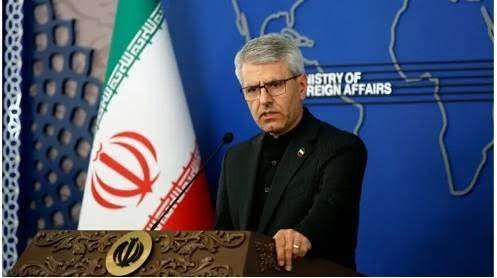
Iran’s Foreign Ministry said on Friday that countries were legally obligated to refrain from implementing US sanctions against Tehran, arguing that participation in the measures amounted to complicity in imposing what it described as an unlawful will on independent states.
The ministry called the latest sanctions a “crime against humanity,” warning that the measures could put the health and livelihoods of millions of civilians at risk. It urged governments and United Nations bodies to uphold international law.
The new sanctions come as the US administration steps up its campaign to weaken Iran’s economy. The pressure adds to the impact of the war on an economy already facing severe inflation, with annual inflation reportedly reaching 66 percent last month.
Iran’s Supreme Leader Ayatollah Mojtaba Khamenei also called on authorities to address mounting economic and social challenges, including inflation, unemployment, rising prices and the management of markets for goods and services.
In a written statement, Khamenei instructed officials to avoid actions or statements that could undermine “social cohesion” and weaken public morale, reflecting concerns that worsening economic conditions could fuel domestic unrest.
The US has also warned countries and businesses against maintaining commercial ties with Iran, threatening secondary sanctions. However, Washington has so far stopped short of imposing penalties on some entities involved in such transactions.
A US official said the Trump administration was planning restrictions on the UAE branches of Egypt’s Banque Misr over business dealings with Tehran. Separately, the US Treasury Department announced sanctions against a Hong Kong-based entity and an individual linked to Iran’s Bank Melli.
Meanwhile, diplomatic efforts are continuing to address the unresolved crisis surrounding the Strait of Hormuz, a critical global energy route that handled around 20 percent of world oil supplies before the conflict.
Qatari Prime Minister Sheikh Mohammed bin Abdulrahman Al Thani said he had stressed during talks with Iranian officials in Tehran the importance of restoring open shipping through the strait.
Iranian Foreign Minister Abbas Araqchi described the talks as “creative” and urged Washington to end military and economic pressure and return to negotiations, saying diplomacy could be restored if the US recognised that pressure was ineffective.
Qatar and Pakistan previously helped broker a memorandum of understanding in June that resulted in a ceasefire, but the arrangement later broke down amid disagreements between Iran and the United States over the status of the Strait of Hormuz.
Since the outbreak of the conflict on February 28, Iran has threatened vessels transiting the strait without its authorisation, sharply reducing maritime traffic and contributing to volatility in global oil markets. The United States has maintained that the waterway must remain open for international shipping.
Iranian officials have indicated that Tehran is preparing conditions for reopening the strait, with previous demands including an end to restrictions on Iranian ports, compensation and the removal of sanctions.
US military officials have said American forces have cleared sea mines from parts of the strait that had reportedly been laid by Iran’s Islamic Revolutionary Guard Corps.
Despite US assurances that the waterway remains open, many vessels have avoided the route because of security concerns. Ship-tracking data has estimated traffic at only around 5 to 15 percent of normal levels.
Preliminary shipping data showed that only seven commodity vessels crossed the Strait of Hormuz on Thursday, compared with 17 the previous day and a 10-day average of 15.
Oil prices nevertheless declined on Friday and were heading for a weekly loss, with analysts pointing to indications that more oil was moving through the strait and that producers were increasingly adapting their operations to the changing security environment in the Gulf.
By Reuters