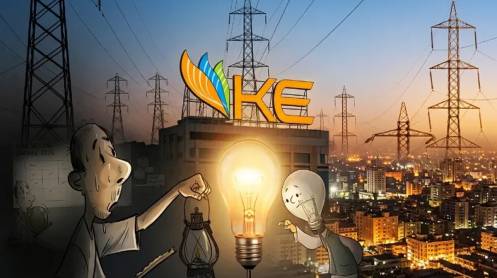
KARACHI: K-Electric (KE) has informed the Power Division that around 72 per cent of its 11kV feeders, including all industrial feeders, are exempt from load-shedding under normal operating conditions, while attributing recent unplanned power interruptions in Karachi to gas supply disruptions, technical faults and damage to underground cables.
Thank you for reading this post, don't forget to subscribe!In its communication, the power utility stated that out of its 2,136 feeders, 1,531, or approximately 72 per cent, were exempt from load-shedding, while the remaining 605 feeders, representing 28 per cent, were subjected to segmented load management based on their Aggregate Technical and Commercial (AT&C) losses, including electricity theft and non-payment of bills.
KE maintained that its feeder-based load management policy was consistent with the National Electricity Policy 2021 and similar practices followed by other distribution companies (DISCOs).
Explaining the recent power interruptions, the company said that between October 6 and 12, 2026, a national gas crisis following the closure of the Strait of Hormuz disrupted supplies of Re-gasified Liquefied Natural Gas (RLNG), with no LNG cargoes available during the period.
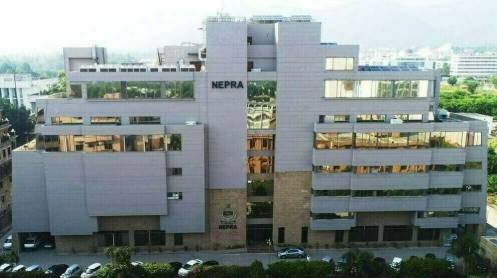
The situation was further aggravated by NEPRA’s de-notification of Bin Qasim Power Station-I (BQPS-I), with a capacity of 360MW, and Korangi Power Complex (KPC), having a capacity of 220MW, despite both plants being capable of operating on alternative fuels.
To address the generation shortfall, KE approached NEPRA for permission to operate BQPS-I on furnace oil. The company said the intervention helped bridge the supply gap and minimise load management on feeders normally exempt from scheduled outages.
KE added that following the arrival of RLNG cargoes, fuel supplies had returned to normal and electricity supply was being maintained under normal operating conditions.
The utility also clarified that power interruptions caused by technical faults, system maintenance and customer-side issues should not be confused with scheduled load-shedding, as these are separate categories of outages.
It identified unauthorised excavation and pickaxing during development activities across Karachi as major causes of damage to its underground cable network, resulting in unplanned outages and disruptions to network reliability.
According to KE, interruptions in certain areas are also associated with targeted operations against electricity theft and customer defaults. These include the removal of illegal connections, commonly known as kundas, and temporary disconnections as a last resort to improve bill recovery and reduce AT&C losses.
The company argued that such measures should not be classified as load-shedding, as they are intended to curb electricity theft, improve recoveries and strengthen operational efficiency.
KE reiterated its commitment to improving feeder-level AT&C performance, maintaining that reducing electricity theft and improving bill recovery would ultimately help lower load-shedding across its service areas.
It also sought the government’s support in introducing appropriate legal provisions to make electricity theft and payment defaults cognizable offences.
Meanwhile, Prime Minister Shehbaz Sharif and Federal Minister for Power Sardar Awais Ahmad Khan Leghari directed DISCOs to reduce the rising number of electricity interruptions across the country.
In response, power distribution companies implemented immediate measures up to October 15, excluding disruptions caused by supply shortages and seasonal factors. These included suspending maintenance activities during economic load management, avoiding parallel maintenance work and introducing night patrolling to address jumper-related faults and conductor-line issues.
The measures reportedly reduced power disruptions by 96 per cent in Punjab, 56 per cent in Khyber Pakhtunkhwa and 76 per cent in Sindh.
KE maintained that distinguishing between scheduled load management and other technical or operational interruptions was essential for accurately assessing its performance and ensuring greater reliability of electricity supply.
Story by Mushtaq Ghumman