

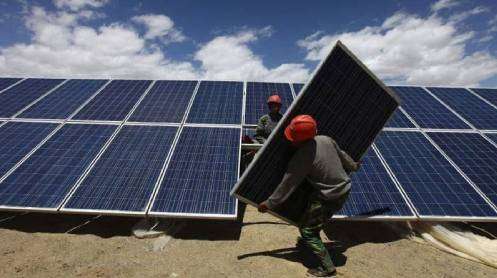
Renewable energy company Ningbo Green Light Energy is set to become the first company in Pakistan to go public through a blank-check vehicle, with its backdoor listing expected to be completed within weeks, its chief executive told Bloomberg.
Thank you for reading this post, don't forget to subscribe!According to the report, the company, which imports solar equipment for renewable energy projects, is awaiting court approval for a reverse takeover of LSE SPAC-I Ltd., Chief Executive Officer Qasim Ningbo said.
LSE SPAC-I, a subsidiary of LSE Capital Ltd., raised Rs250 million in May through an initial public offering and used the proceeds to acquire a 19.04% stake in Ningbo Green Light Energy, which is partly owned by Ningbo Green Light Energy Group Company Limited.
Pakistan’s IPO market has experienced a significant revival in recent years and has continued with strong momentum into 2026, with new listings generally showing robust post-listing performance.
This resurgence is largely attributed to a combination of improved macroeconomic stability under the International Monetary Fund (IMF) program, positive market sentiment, high liquidity, falling interest rates, and political stability, all of which encourage equity investment.
“The conventional IPOs in Pakistan have been happening for mature and long-established companies,” Aftab Ahmad Chaudhry, Chief Executive Officer at LSE, told Bloomberg.
“Now even growth-stage and non-IPO-sized companies can get capital market funding. This has diversified the financing choices.”
There has been a growing shift towards alternative energy sources in Pakistan, especially solar, which has become increasingly popular among residential and commercial sectors.
The South Asian nation of about 224 million people depends heavily on imported oil and liquefied natural gas, leaving it vulnerable to global price swings.
Fuel shortages resulting from the ongoing US-Iran war and the effective closure of the Strait of Hormuz have prompted the government to scramble for alternative energy sources, while introducing austerity measures as well.





