

KARACHI: Electricity generation in Pakistan increased by 6.3% year-on-year (YoY) during the first four months of FY27, while power generation recorded an 8.7% increase in October 2026, signalling a recovery in economic and industrial activity.
Thank you for reading this post, don't forget to subscribe!According to power generation data, electricity consumption reached 10,744 gigawatt-hours (GWh) in October, up 8.7% compared with the corresponding month last year and 3.4% above the seven-year average for October. However, consumption remained below the peak of 11,296 GWh recorded in October 2021.
The recovery has been attributed to lower electricity tariffs, a shift by industrial consumers towards the national grid, incentive packages for industrial and agricultural consumers, and improving economic activity. Large-scale manufacturing also recorded 1.9% YoY growth during the first two months of FY27.
Power generation exceeded the reference level determined by the National Electric Power Regulatory Authority (NEPRA), a development that could have positive implications for future quarterly tariff adjustments.
Higher Fuel Costs Trigger Rs2.88 Per Unit FCA
Despite the improvement in electricity generation, the average adjusted fuel cost of power generation increased to Rs10.75 per kilowatt-hour in October, compared with the reference cost of Rs7.87 per unit.
Consequently, power distribution companies sought a positive fuel cost adjustment (FCA) of Rs2.88 per unit for October.
According to Arif Habib Limited (AHL), the increase was primarily driven by a higher contribution from high-speed diesel (HSD) and furnace oil (FO) in the generation mix, coupled with rising international oil prices.
Furnace oil-based generation reached 351 GWh in October, while HSD-based generation stood at 198 GWh. Increased reliance on furnace oil was attributed to disruptions in re-gasified liquefied natural gas (RLNG) supplies and stronger electricity demand.
Higher furnace oil utilisation could also improve capacity utilisation and earnings of certain independent power producers, including Nishat Power Limited and Nishat Chunian Power Limited, particularly under the hybrid take-or-pay regime.
LNG-Based Generation Plunges 61.2%
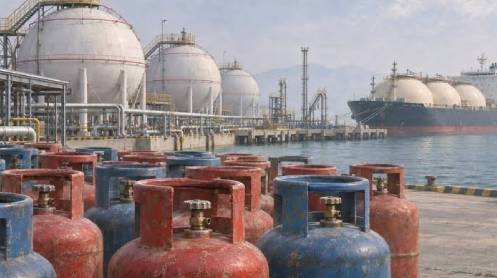
In contrast, LNG-based electricity generation declined by 61.2% year-on-year to 757 GWh in October, reflecting reduced LNG imports amid geopolitical disruptions.
Of the six long-term LNG cargoes originally scheduled for the month, Pakistan State Oil (PSO) imported only two under its long-term supply arrangement.
Higher international oil prices also pushed the fuel cost of RLNG-based electricity generation to Rs28.74 per unit, adding to the overall cost burden.
According to AHL, the overall cost of electricity generation increased by 24.9% year-on-year during October. RLNG, HSD and furnace oil collectively accounted for 45.4% of the unadjusted fuel cost of Rs10.63 per unit.
Coal-Based Generation Hits October Record
Meanwhile, hydropower generation increased by 4.2% year-on-year to 2,818 GWh in October, broadly in line with the month’s long-term average. Improved water availability supported the contribution of relatively low-cost hydropower to the national generation mix.
Coal-based electricity generation recorded a significant increase of 69.6% to 2,929 GWh, the highest level recorded for any October.
Imported coal-based generation surged by 237% to 1,569 GWh, while local coal-based generation increased by 7.9% to 1,360 GWh.
The higher utilisation of coal reflected reduced RLNG availability, elevated LNG prices and stronger electricity demand. Imported coal alone contributed 53.6% of total coal-based generation during the month.
Industrial Tariff Relief Supports Recovery
The improvement in electricity generation between December 2025 and March 2026 was supported by a Rs4 per-unit reduction in industrial electricity tariffs, targeted incentive packages and higher levies on captive gas consumption.
Although weaker electricity demand during the fourth quarter of FY26 had raised concerns about the sustainability of the recovery, the rebound during the first four months of FY27 indicates improving activity across the power sector.
NEPRA has projected electricity demand growth of 1% year-on-year for calendar year 2026, while its base-case forecast for 2027 stands at 2.6%.
The latest figures highlight a recovery in electricity consumption, although the growing dependence on expensive imported fuels continues to pose challenges for generation costs and consumer tariffs.
Story by Tanveer Malik