ISLAMABAD: Pakistan is set to receive a much-needed boost to its LNG supplies after a Qatari cargo successfully crossed the strategically vital Strait of Hormuz amid heightened regional tensions.
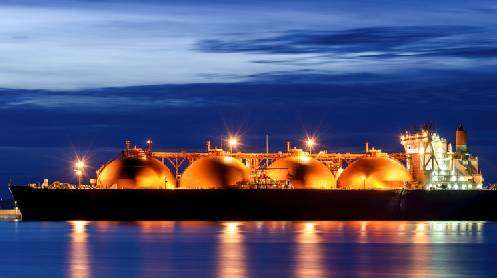
Thank you for reading this post, don't forget to subscribe!The LNG carrier Al Marrouna, carrying approximately 81,936 metric tons of LNG from Qatar’s Ras Laffan terminal, transited the Strait of Hormuz on September 7 under Pakistan’s government-to-government LNG arrangement with Qatar.
A senior Petroleum Division official said the vessel is expected to reach Port Qasim within two days, where it will berth at the Engro LNG terminal.
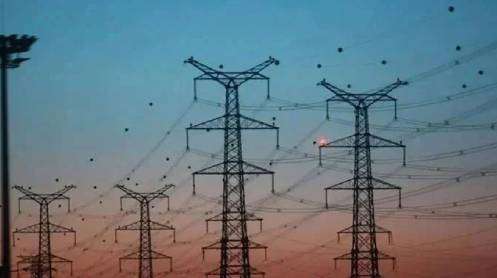
The arrival is expected to provide some short-term relief to Pakistan’s power sector, which is currently experiencing loadshedding of between six and 12 hours in parts of the country.
The cargo has reportedly been secured at a price equivalent to 13.37% of Brent, providing an important addition to Pakistan’s LNG supplies amid heightened concerns over shipping through the Strait.
Hormuz Transit Eases LNG Market Concerns
The successful passage of Al Marrouna is also being closely monitored by international LNG markets, as it eases some concerns about a prolonged disruption to Qatari LNG exports through the Strait of Hormuz.
The development has put downward pressure on Asian benchmark Platts JKM and Northwest European LNG prices, reflecting reduced immediate concerns over supply disruptions from Qatar.
Qatar is one of Pakistan’s key LNG suppliers, making the safe transit of the cargo particularly important for the country’s energy security.
Pakistan Cancels Spot LNG Tender
Meanwhile, Pakistan LNG Limited (PLL) has cancelled a spot LNG tender floated on September 5, which was scheduled to be opened on September 8.
The latest Qatari shipment is considered particularly significant as it is reportedly the first Qatari LNG cargo to exit the Persian Gulf since tensions surrounding the Strait of Hormuz escalated in July.
The deteriorating security situation around the strategic waterway had raised concerns about potential disruptions to LNG shipping and pushed up insurance costs for vessels navigating the route.
For Pakistan, the successful passage of the cargo provides short-term relief but does not eliminate the risks surrounding future LNG supplies. Any renewed disruption in the Strait of Hormuz could increase LNG procurement costs, put pressure on foreign exchange reserves and create additional challenges for electricity generation.
Energy Security Risks Remain
Qatar has sought to reduce its exposure to the Hormuz chokepoint by maintaining diplomatic channels with Iran and strengthening bilateral ties across the region. At the same time, Doha continues to play a major role as a global LNG supplier and regional diplomatic mediator.
For Pakistan, continued uninterrupted LNG shipments remain critical to meeting power-sector fuel requirements, particularly as the country seeks to manage electricity shortages and maintain adequate generation during periods of high demand.
Story by Khalid Mustafa