On Tuesday, Pakistan’s Cabinet Committee on Energy (CCoE) approved the high-level design of a National Integrated Energy Plan for 2027-2060. This approval marks the first major step toward preparing said plan, which is expected to provide Pakistan with a unified, cross-sectoral roadmap for its energy future. This will replace fragmented, sector-by-sector policymaking with an integrated approach aimed at optimising energy resources, infrastructure and investment while reducing duplication and the overall cost of energy. The four main pillars of the high-level design include energy, economics, equity and environment. The energy pillar seeks to ensure a secure, reliable and resilient system, while economics focuses on competitiveness and financial sustainability. Equity aims to promote an inclusive and accessible energy transition and environment targets a low-carbon, climate-resilient energy future. On the face of it, this policy seems to make a lot of sense when we think about what people need from the energy sector. One does not really care whether it is fuel, electric or solar that powers their homes and vehicles; they just need it to be cheap, reliable and, as much as possible, indigenous. Moving towards these goals would arguably be a lot easier if policy across different energy categories is unified and brought under one roof.
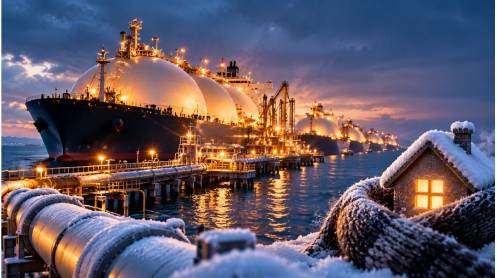
Thank you for reading this post, don't forget to subscribe!However, what does all of this technocratic shuffling mean for the people right now? Sadly, any immediate relief from energy pain, whether at the pump or in people’s homes, seems remote. Earlier this month, it was reported that Pakistan’s power consumers face a Rs33.78 billion quarterly tariff adjustment, including a potential Rs1.34 per-unit increase, despite government efforts to renegotiate independent power producer agreements. Meanwhile, the power sector’s circular debt increased to Rs61 billion during FY26, with inefficiencies and weak bill recovery by the power distribution companies (DISCOs) reportedly remaining the biggest structural challenge. Aside from distribution woes, reports this week also said that power generation from RLNG surged by a record 242 per cent to Rs47.4 per unit in July, as the country has to purchase expensive cargoes due to the ongoing Middle East conflict.
While one might somewhat escape the power sector woes through solar, if they have the roofspace and the money for it, there is no escaping what is going on at the pump. The country’s energy crises, both chronic and immediate, spare no one. The response should be to wean the country off expensive fuel imports and move toward a mix of renewables and cheaper indigenous fuels. This is the ultimate goal towards which all energy policy must ultimately be directed and largely in line with the four pillars of the high-level design. It is hoped that now that our different energy sectors are being brought under one banner, things will be more streamlined and the pursuit of this goal will be facilitated. A necessary energy transition should not be upheld by bureaucratic disconnects.