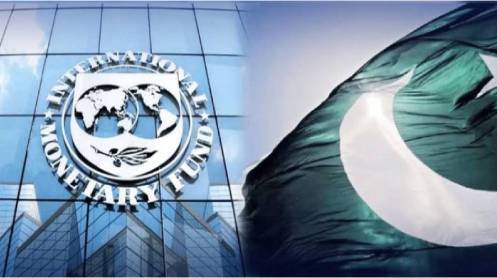
ISLAMABAD: The International Monetary Fund (IMF) has praised Pakistan for making tangible progress in stabilising its troubled energy sector through tariff rationalisation and targeted structural reforms, while cautioning that deeper, long-term changes are essential to secure lasting sectoral viability.
In its latest review under the Extended Fund Facility (EFF) and Resilience and Sustainability Facility (RSF), the IMF said the government had “reinforced energy sector viability through prompt tariff rationalization and structural reforms,” adding that circular debt flow targets in the power sector had been successfully met.
The lender highlighted that timely decision-making is beginning to yield results. “Timely implementation of power tariff adjustments has helped reduce the stock and flow of circular debt,” IMF Deputy Managing Director Nigel Clarke said in a statement accompanying the review.
The report noted improved recoveries, reduced losses, and strengthened enforcement by power distribution companies (Discos), which collectively helped restrain circular debt accumulation. These measures, it added, were vital for improving efficiency, lowering long-term costs, and reducing reliance on fiscal support.
However, the IMF stressed that Pakistan must now move beyond short-term adjustments toward comprehensive reforms. “Efforts now need to focus on improving Disco collections and losses, cost-reducing structural reforms, including Disco and Genco private sector participation, advancing the wholesale electricity market, and addressing the gas sector’s RLNG surplus and CD stock,” the staff appraisal said.
The Fund also recognised the government’s attempts to stabilise the gas sector through tariff revisions and stronger oversight but warned that significant, systemic reforms remain necessary to resolve long-standing financial distortions.
The IMF’s assessment signals both acknowledgement of recent improvements and a reminder that Pakistan’s energy sector recovery hinges on sustained structural transformation.
Story by Israr Khan