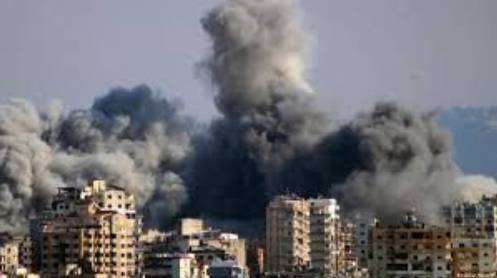
The Middle East conflict has sharply intensified, with Israel and the United States launching strikes against targets in Iran, triggering a widening security crisis across the region and raising concerns over energy security and global stability.
Israeli Strikes and Lebanon Evacuation Orders
The Israeli military has expanded its operations, issuing fresh evacuation warnings across Lebanon. According to the Israel Defense Forces (IDF), residents in nearly 50 locations were urged to leave immediately, particularly in southern Beirut neighbourhoods Ghobeiry and Haret Hreik.
In a statement posted on Telegram by IDF Arabic-language spokesperson Avichay Adraee, residents were warned that they were located near facilities linked to Hezbollah and that military action was imminent.
The evacuation notices signal the possibility of broader cross-border hostilities between Israel and Hezbollah, further widening the theatre of conflict beyond Iran.
Netanyahu: Conflict May Take Time
Israeli Prime Minister Benjamin Netanyahu said the war against Iran could take “some time” but would not stretch into years. Speaking in a televised interview, Netanyahu described the campaign as potentially decisive but not “an endless war,” indicating Israel’s intent to sustain pressure while avoiding a prolonged conflict.
Drone Interceptions in Saudi Arabia
The conflict has also spilled into Saudi Arabia. The Saudi Ministry of Defense confirmed that eight drones were intercepted and destroyed near Riyadh and Al-Kharj. Defence spokesperson Major General Turki al-Malki said the drones were neutralised before causing damage, though tensions remain high across the Gulf.
US Signals Response After Embassy Strike
In a significant escalation, two suspected Iranian drones reportedly struck the US embassy in Riyadh. US President Donald Trump indicated that Washington would retaliate “soon,” though he declined to provide details on the nature or timing of the response.
Meanwhile, US Secretary of State Marco Rubio said Washington would roll out measures to mitigate the impact of rising oil prices caused by the conflict. He noted that the US had anticipated market disruptions and would coordinate with the Treasury and Energy departments to cushion domestic consumers from energy price spikes.
Energy and Geopolitical Implications
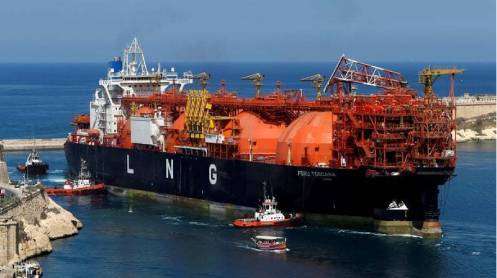
The renewed conflict comes amid fears of disruptions in the Strait of Hormuz, a key global oil transit route through which nearly a quarter of the world’s petroleum supplies pass. Any sustained disruption could significantly impact crude oil and LNG flows, affecting global markets and energy-importing countries such as Pakistan.
With Israeli operations intensifying, US involvement deepening, and regional actors like Saudi Arabia directly affected, the conflict appears to be evolving into a broader regional confrontation. Diplomatic channels remain under strain, and global markets are closely watching developments for signs of further escalation or de-escalation in the coming days.