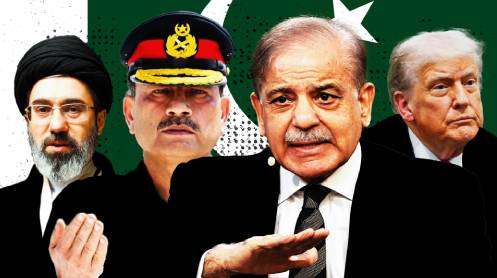
ISLAMABAD: Diplomatic efforts are intensifying to secure a second round of dialogue between the United States and Iran, as Pakistan, alongside regional and global partners, works to prevent a fragile ceasefire from collapsing into renewed conflict.
Officials say back-channel engagements are underway to bring both sides back to the negotiating table following the recent US-Iran War. Prime Minister Shehbaz Sharif confirmed that the truce remains intact but faces challenges, noting that intensive talks held in Islamabad helped secure the ceasefire.
The ceasefire, brokered on April 7, is set to expire on April 22, with urgent efforts focused on extending it. However, rising tensions—particularly the US move towards a naval blockade in the Strait of Hormuz—have added strain, with Tehran warning such actions could violate the agreement.
The Islamabad talks marked the highest-level engagement between the two sides since 1979. While no formal agreement was reached, negotiations continued through direct and expert-level discussions, leaving what diplomats describe as a narrow but viable diplomatic window.
Key sticking points remain unresolved. The US is seeking long-term restrictions on Iran’s nuclear programme, including limits on uranium enrichment and safeguards against weaponisation. Iran, meanwhile, is demanding sanctions relief, recognition of its sovereign rights under international frameworks, and credible guarantees before making commitments.
Differences over sequencing have also stalled progress. Washington insists on prior Iranian concessions, while Tehran calls for trust-building measures first—creating a persistent deadlock.
Pakistan has actively mobilised international support to sustain the process. Ishaq Dar engaged with global counterparts including Wang Yi, Hakan Fidan, Prince Faisal bin Farhan, and Badr Abdelatty, urging all parties to uphold the ceasefire and prioritise dialogue.
Diplomatic sources indicate that intermediaries are working to secure at least a 45-day extension of the truce, or a return to technical-level negotiations to pave the way for a broader political agreement.
While Iran has expressed preference for Islamabad as the venue for future talks, the US is considering alternative locations. However, diplomats suggest that venue differences are unlikely to derail progress if substantive agreements can be reached.
With the situation in the Middle East remaining volatile, and tensions spilling into other theatres such as Lebanon, global stakeholders are racing against time to stabilise the ceasefire and revive negotiations before the deadline.
Story by Baqir Sajjad Syed