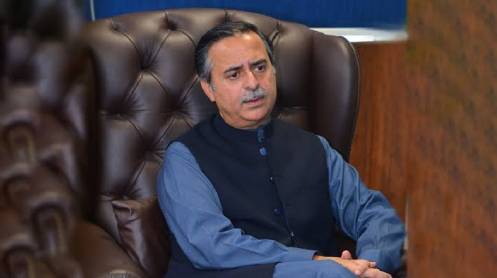
WASHINGTON: A severe global energy shock triggered by the US-Iran War dominated discussions at the World Bank-IMF Spring Meetings, where Finance Minister Muhammad Aurangzeb held a series of high-level engagements aimed at stabilising Pakistan’s economy under mounting external pressures.
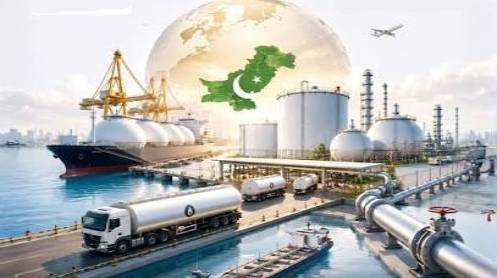
Global institutions including the International Monetary Fund, World Bank Group and International Energy Agency warned that the conflict has triggered one of the most severe disruptions in modern energy markets. Oil prices have surged by nearly 50%, shipping through the Strait of Hormuz has been disrupted, and global supply chains for gas and fertiliser remain under strain.
Developing economies—particularly energy importers with high debt burdens—are expected to be hardest hit, with the IMF estimating that $20–50 billion in emergency financing may be required in the near term.
Against this backdrop, Mr Aurangzeb’s engagements focused on reform continuity, debt sustainability, social protection and private-sector-led growth.
In a meeting with Anna Bjerde, discussions centred on Pakistan’s economic outlook and the impact of external shocks. Both sides stressed the importance of strengthening targeted social protection systems to shield vulnerable populations from rising energy and food costs, while reviewing progress under Pakistan’s Country Partnership Framework.
In separate talks with Jorge Familiar Calderón, the focus shifted to debt management, capital market development and financial innovation. The finance minister highlighted Pakistan’s diversified financing strategy, including sukuk issuances, ESG-linked instruments and efforts to deepen domestic bond markets, while seeking technical assistance to enhance the capacity of the country’s Debt Management Office.
During his meeting with Makhtar Diop of the International Finance Corporation, Mr Aurangzeb emphasised the need to mobilise private investment, particularly in agriculture, which is under pressure from rising input and fertiliser costs.
He also participated in a panel discussion at Harvard University titled “Pakistan’s Economic Agenda: Stability, Reform and What Comes Next”, held during the Pakistan Conference 2026. The session was moderated by Reza Baqir and featured prominent economists including Atif Mian and Nobel laureate Daron Acemoglu.
Pakistan’s Ambassador to the United States, Rizwan Saeed Sheikh, highlighted the importance of strengthening Pakistan-US economic ties.
As global institutions warn of prolonged disruption and structural shifts in the world economy, Pakistan’s engagements in Washington reflect a renewed push to advance reforms, attract investment, and build resilience in an increasingly volatile, energy-constrained global landscape.
Story by Anwar Iqbal