Abu Dhabi, United Arab Emirates: A new policy advisory by the International Renewable Energy Agency highlights how the rapid deployment of renewable energy is helping countries strengthen resilience amid the ongoing global energy crisis.
The report underscores that renewables are already reducing dependence on imported fossil fuels across regions—from Europe to Asia, including countries like Pakistan. In 2025 alone, global renewable capacity surged by a record 692 GW, reflecting accelerated adoption driven by both economic and security concerns.
A key finding of the advisory is the dramatic decline in renewable energy costs. Since 2010, solar power costs have dropped by 87%, onshore wind by 55%, and battery storage by 93%. Today, over 85% of newly installed renewable capacity is more cost-effective than fossil fuel-based alternatives. Additionally, hybrid systems combining solar or wind with battery storage are increasingly capable of delivering reliable, round-the-clock power.
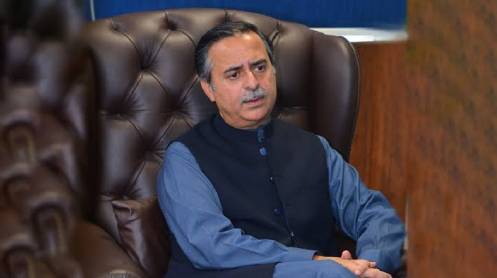
Francesco La Camera emphasized that the current crisis has reinforced the role of renewables as a “national security imperative,” urging governments to prioritize investments that enhance long-term energy stability and reduce exposure to volatile fossil fuel markets.
The advisory also links ongoing geopolitical tensions, particularly in the Middle East, to structural vulnerabilities in fossil fuel-dependent energy systems. It warns that disruptions in oil and gas markets not only impact energy supply but also drive inflation and economic instability, disproportionately affecting vulnerable populations.
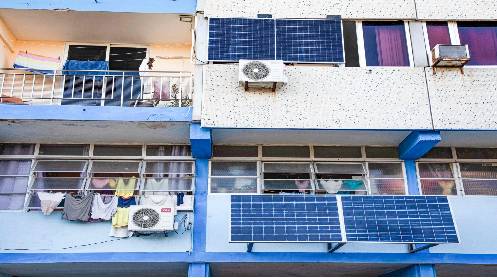
To address these challenges, IRENA recommends a series of immediate and long-term policy actions. These include accelerating distributed renewable deployment, promoting energy efficiency through public awareness campaigns, and introducing time-of-use tariffs to optimize electricity consumption. The report also calls for financial incentives such as subsidies and tax rebates to support electrification across sectors.
Further recommendations focus on expanding solar PV–battery mini-grids in remote areas, promoting electric mobility—particularly two- and three-wheelers in emerging economies—and incentivizing public transport electrification.
In the medium term, the advisory urges governments to fast-track renewable and grid infrastructure projects, strengthen investment frameworks, and expand battery storage to enhance system flexibility. Long-term strategies include establishing stable policy environments, integrating electrification into national planning, and building resilient domestic supply chains.
The report concludes that a decisive shift toward renewables is essential not only for addressing the current energy crisis but also for ensuring sustainable economic growth, energy security, and climate resilience in the years ahead.