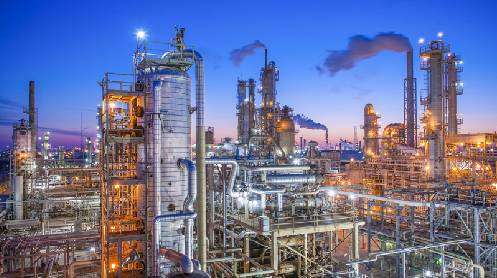
ISLAMABAD: Pakistan’s oil refining sector has reported a massive loss of Rs24 billion in April 2026, as industry players grapple with what they describe as an “artificial and misleading” pricing cap imposed under a government-backed fuel pricing mechanism.
At the centre of the issue is the government’s decision to fix the diesel crack spread at $41.5 per barrel. Refinery officials argue that this benchmark does not reflect actual market conditions, where the crack spread stood closer to $60 per barrel by the end of April, based on higher global diesel prices and crude benchmarks.
Industry representatives maintain that the current formula overlooks key cost components, including freight charges, premiums, and escalating war risk insurance linked to regional geopolitical tensions. Additionally, a 5% customs duty on crude oil imports has further strained margins, with refineries recovering only a fraction of these costs through the existing duty mechanism.
The financial impact has been severe. Weekly losses in April were recorded at Rs7.1 billion (April 4–10), Rs8.5 billion (April 11–17), Rs6.6 billion (April 18–24), and Rs2 billion (April 25–30). This marks a sharp reversal from earlier in the fiscal year, when refineries had posted profits after years of losses. For instance, Pakistan Refinery Limited saw profits fall from around Rs10 billion in March to approximately Rs0.5 billion in April, with further losses expected in May.
Refineries say they had accepted the pricing formula in the national interest to stabilise domestic fuel prices during a period of economic and geopolitical uncertainty. However, they argue that the capped margins—combined with rising import costs—have reduced profitability to less than half of global levels.
The strain is not limited to diesel. Petrol margins remain modest at around $9 per barrel, while furnace oil continues to generate negative margins of nearly minus $40 per barrel. Compounding the challenge, a sales tax exemption introduced in the FY2025 budget has resulted in annual losses of approximately Rs35 billion for refineries and oil marketing companies.
On the import front, costs have surged due to higher freight, insurance, and war-related premiums. Pakistan State Oil is currently importing diesel at $160–170 per barrel, including a premium of about $40 per barrel. While PSO has been compensated through adjustments in the Inland Freight Equalization Margin (IFEM), refineries claim they have not received comparable relief.
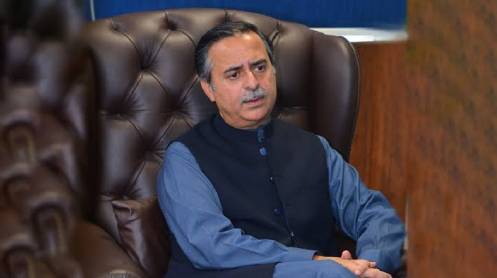
Federal Minister for Petroleum Ali Pervaiz Malik stated that the revised pricing formula has the backing of the International Monetary Fund and is part of broader efforts to support the sector while managing fiscal constraints. He acknowledged that refineries contributed Rs7.1 billion from March profits to offset losses incurred by PSO due to high diesel import costs.
Industry stakeholders also point to long-standing structural challenges, including inconsistent policies and lack of investment incentives, which have hindered both greenfield and brownfield refinery projects over the years. Key players such as National Refinery Limited and Cnergyico have faced recurring financial pressures, making the recent downturn particularly concerning.
Experts warn that sustained losses could threaten refinery operations, with broader implications for Pakistan’s energy security. They stress that local refineries play a critical role in ensuring uninterrupted fuel supply, especially during periods of global market volatility and supply chain disruptions.
Story by Khalid Mustafa