ISLAMABAD: Pakistan LNG Limited (PLL) has rejected bids for two spot liquefied natural gas (LNG) cargoes after suppliers quoted unusually high rates, a move expected to save the country between $22 million and $50 million through alternative lower-cost arrangements with Qatar.
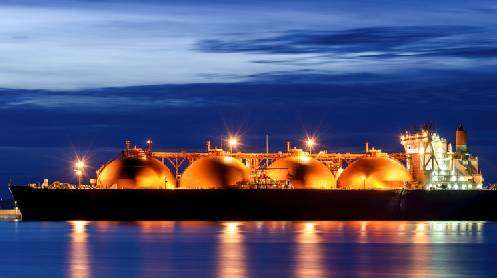
During a briefing to the Senate Standing Committee on Petroleum, officials informed lawmakers that one LNG cargo was scheduled to arrive at Karachi Port on Tuesday, while another Qatari LNG tanker, Mihzem, carrying 174,000 cubic meters of LNG, was transiting through the Strait of Hormuz toward Port Qasim.
Federal Minister for Petroleum Ali Pervaiz Malik told the committee that continued uncertainty in the US-Iran conflict and disruptions in regional trade routes had forced the government to prioritise gas supplies for critical sectors.
He said gas supplies had been diverted to urea manufacturing plants to prevent a fertiliser crisis, especially after constraints emerged in the import of di-ammonium phosphate (DAP).
According to officials, acceptance of the costly spot LNG bids could have imposed an additional burden of nearly $22 million on consumers for just one cargo. Instead, Pakistan opted for comparatively economical LNG arrangements from Qatar.
The Senate panel reviewed several key issues, including petroleum product stock positions, gas supply to producing areas, LPG pricing, the suspension of compressed natural gas (CNG) supply in Khyber-Pakhtunkhwa, and governance matters related to the Pakistan Mineral Development Corporation (PMDC).
Committee members questioned the recent increase in petroleum prices despite the availability of adequate fuel stocks, observing that the move appeared to financially benefit Oil Marketing Companies (OMCs).
Responding to the concerns, the petroleum minister said the price adjustment was aimed at providing liquidity and fiscal space to OMCs to prevent fuel shortages amid volatility in global oil markets.
The committee directed authorities to conduct a comprehensive audit of OMCs to assess financial gains made from existing inventories following the fuel price hike. Officials informed lawmakers that a joint stock-monitoring mechanism involving Ogra, FIA, Intelligence Bureau, and other agencies had been established to carry out fortnightly inspections. The committee chairman instructed that all stock reports be submitted to the Senate panel regularly.
Lawmakers also raised concerns over prolonged gas outages in Balochistan and criticised the uneven gas supply situation across provinces.
The committee took strong notice of rising liquefied petroleum gas (LPG) prices and the large disparity between official and market rates. Ogra and relevant authorities were directed to take strict action against overpricing and submit a detailed report.
The issue of gas connections for residents of gas-producing areas also came under discussion. Members observed that despite directives from the prime minister and Supreme Court rulings, many communities in producing regions still lacked access to gas connections. Officials cited shortage of funds as the primary reason for the delay.
The Senate panel further examined varying charges imposed by PMDC on coal mining contractors in different areas of Balochistan. Committee members questioned the rationale behind the discrepancies, while the chairman announced consultations with stakeholders to resolve the matter.
The suspension of CNG supply in Khyber-Pakhtunkhwa also drew criticism from lawmakers, who noted that the disruption was severely affecting low-income consumers. Officials stated that restoration of CNG supplies depended on the availability of imported LNG, which had been impacted by disruptions around the Strait of Hormuz.
The committee additionally sought clarification over the allocation of natural gas to RLNG-based power plants in Punjab while similar arrangements were not being extended to plants in other provinces, including the Jamshoro Power Plant. Members demanded details of the allocation priority mechanism.
Story by Zafar Bhutta