KARACHI: Rapid and unplanned urbanisation, shrinking green spaces, a worsening housing crisis, and environmental degradation are pushing Pakistan’s major cities towards a climate disaster, environmental experts warned during a webinar organized to mark World Environment Day.
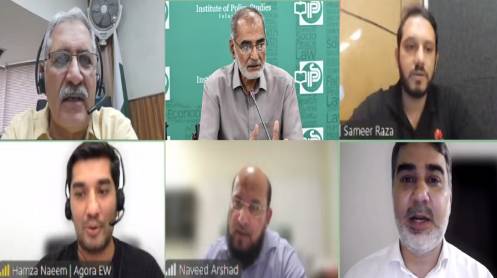
The webinar was jointly organized by the Federation of Pakistan Chambers of Commerce and Industry (FPCCI) Central Standing Committee on Sustainable Development Goals (SDGs) and the National Youth Leadership Program (NYLP), attracting more than 280 participants from across the country.
Opening the session, Khoja Sheraaz Ali, Chairman NYLP and Deputy Convener of FPCCI’s Central Standing Committee on SDGs, underscored the importance of collective action, sustainable urban development, and youth engagement in addressing environmental challenges and achieving the Sustainable Development Goals.
Experts noted that explosive population growth in cities such as Karachi, Lahore, and Islamabad, coupled with a severe shortage of affordable housing, has created an environmental and social emergency. Thousands of low- and middle-income families are increasingly being forced into informal settlements lacking legal protection, basic infrastructure, and municipal services.
Delivering the keynote address, Dr. Muhammad Irfan Khan, a senior environmental sciences academic, identified rapid urbanisation and unchecked city expansion as major contributors to Pakistan’s growing climate vulnerability. He highlighted that urban residents accounted for only 17 percent of Pakistan’s population in 1950, a figure that has now risen to over 40 percent and is projected to reach 50 percent within the next 25 years.
Dr. Khan warned that climate-induced migration, inadequate housing, loss of agricultural land to housing developments, poor transport planning, and weak waste management systems are placing enormous pressure on urban centres. He called for urgent reforms to address housing shortages, protect green spaces, curb encroachments, improve waste management, and strengthen urban governance.
Climate change expert Aftab Ahmed Khan stressed that the rapid disappearance of urban forests, green belts, and open spaces is contributing significantly to rising temperatures and worsening heatwaves. He urged citizens to participate in tree plantation drives, safeguard public parks, and adopt rainwater harvesting practices to address growing water scarcity.
He also encouraged students and academic institutions to integrate climate change research into educational programs, emphasizing the need to develop future leaders capable of building climate-resilient cities.
SDGs education expert Sher Shah Khan informed participants about international fellowship and scholarship opportunities in environmental and climate studies, encouraging young people to pursue specialized education in these critical fields.
Meanwhile, Emaan Abbasi, Global Ambassador of NYLP, highlighted the urgent need for environmental protection and sustainable lifestyles. She emphasized that collective responsibility and environmentally conscious choices are essential to ensuring a cleaner, healthier, and more sustainable future.
The webinar concluded with a strong call for policymakers, urban planners, environmental regulators, and civic authorities to treat unplanned urbanisation as a national emergency. Participants stressed that without decisive action to provide affordable housing, preserve green spaces, modernize waste management systems, and improve urban governance, Pakistan’s cities will face increasing environmental degradation, climate risks, and a declining quality of life.