ISLAMABAD: Pakistan’s long-delayed $6 billion refinery upgradation programme has come under fresh pressure after the Oil and Gas Regulatory Authority (OGRA) proposed reducing the deemed duty incentive on High-Speed Diesel (HSD) from 7.5 percent to 5 percent for refineries that failed to sign Implementation Agreements (IAs) by the October 22, 2024 deadline.
The refinery sector has strongly opposed the move, warning that it could weaken the financial viability of long-planned modernisation projects and discourage future investment in the downstream petroleum sector.
According to officials, the proposal has been included in draft amendments to the Brownfield Refinery Policy 2023, which are currently being finalised for formal approval. Under the proposed mechanism, the remaining 2.5 percent deemed duty, after applicable taxes, would be redirected to the Inland Freight Equalisation Margin (IFEM) Pool.
Industry stakeholders argue that the adjustment effectively amounts to a retrospective penalty, claiming that delays in signing agreements were due to procedural and regulatory uncertainties rather than any lack of intent to invest.
A senior Petroleum Division official said the revised proposal has once again created uncertainty around the refinery upgrade programme, despite earlier efforts to resolve taxation and policy issues that had stalled investment decisions.
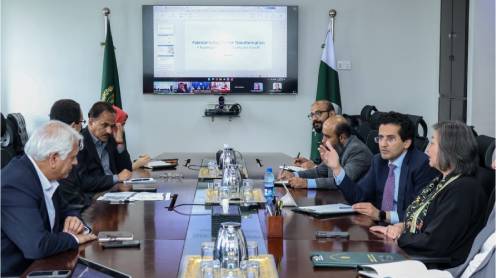
In response to industry concerns, the National Committee for Monitoring and Coordination (NCMC) held a meeting in Islamabad on Wednesday, where officials assured refinery representatives that their concerns would be reviewed before finalising the policy amendments.
Sources said refineries were also urged to provide assurances that they would sign the pending Implementation Agreements following parliamentary approval of the Finance Bill 2026-27, as the government seeks to move forward with long-delayed upgrades aimed at improving fuel quality and reducing import dependence.
Story by Khalid Mustafa