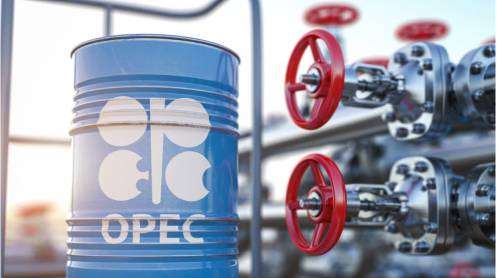
LONDON: Oil prices edged lower on Monday after OPEC+ agreed to raise production targets for August, while recovering crude exports through the Strait of Hormuz and rising shipments from key producers added to expectations of increased global supply.
Brent crude futures slipped 34 cents (0.47%) to $71.78 per barrel, while U.S. West Texas Intermediate (WTI) crude declined 20 cents (0.29%) to $68.49 per barrel in early trading. WTI did not settle on Friday as U.S. markets were closed ahead of the Independence Day holiday.
The modest decline follows weeks of market volatility driven by geopolitical tensions in the Middle East, particularly concerns over the security of shipping routes through the Strait of Hormuz. Investors are now closely monitoring developments in U.S.-Iran relations and the pace of recovery in Gulf oil exports.
“Coming off the U.S. long weekend, traders are sitting tight and waiting to see whether U.S.-Iran relations will be cordial or volatile this week,” said Tim Waterer, Chief Market Analyst at KCM Trade.
On Sunday, the Organization of the Petroleum Exporting Countries and its allies (OPEC+), including Russia, agreed to increase collective production targets by 188,000 barrels per day (bpd) from August, following similar increases implemented in June and July.
Despite the decision, analysts noted that the production hikes have yet to translate fully into actual supply due to earlier disruptions caused by the U.S.-Israel conflict with Iran, which temporarily affected tanker traffic through the Strait of Hormuz and constrained exports from major Gulf producers, including Saudi Arabia, Kuwait, and Iraq.
“The increase was largely in line with market expectations,” said Tony Sycamore, Market Analyst at IG. He added that production quotas remain difficult to assess as several producers continue ramping up output following the conflict, limiting the immediate impact of the latest announcement.
Meanwhile, Gulf oil exports are gradually recovering. A Reuters survey showed OPEC’s oil production rose by 3.3 million bpd in June to 19.43 million bpd, rebounding from its lowest level in more than two decades. Gulf crude exports also increased by more than 3 million barrels in June compared with May, surpassing 10 million bpd, although they remain around 40% below pre-conflict levels.
Adding to global supply expectations, Russia’s crude exports from its western ports reached a record high in June and are expected to remain elevated in July. Industry sources said Moscow has increased crude exports after repeated Ukrainian drone attacks damaged several domestic refineries, reducing refining capacity.
With higher production targets, improving Gulf exports, and rising Russian shipments, oil markets are expected to remain focused on supply developments alongside geopolitical risks in the weeks ahead.
By Reuters