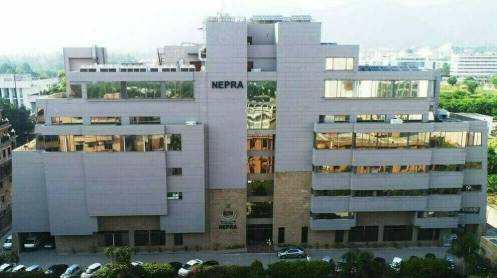
ISLAMABAD: The National Electric Power Regulatory Authority (Nepra) has approved a 55 per cent increase in the average hydropower generation tariff, raising it from Rs3.11 per unit to Rs4.81 per unit for FY2025-26.
In its determination, Nepra clarified that the tariff increase has been widely misunderstood. The regulator noted that the Rs11.56/kWh figure cited by some stakeholders does not represent WAPDA’s recurring tariff. Instead, it includes one-off revenue gap adjustments and hydel levies accumulated over previous years.
According to Nepra, of the Rs10.76/kWh average tariff used for comparison, Rs4.24/kWh relates to the recovery of past revenue gaps and hydel levy arrears, while Rs1.71/kWh represents hydel levies. The remaining Rs4.81/kWh reflects WAPDA’s actual recurring revenue requirement.
The authority stated that the increase from Rs3.11/kWh in FY2023-24 to Rs4.81/kWh in FY2025-26 translates into a compound annual growth rate (CAGR) of around 16 per cent, which it considers reasonable in view of rising operational and financing costs.
Nepra also clarified that WAPDA does not charge a single bulk tariff for its hydropower fleet. Instead, tariffs are determined separately for each of its 21 operational hydropower plants under a take-or-pay mechanism, with individual rates covering variable costs, fixed operation and maintenance expenses, and hydel levies.
The regulator rejected concerns over the continuation of the take-or-pay regime, stating that the matter had already been settled in its review decision issued on June 6, 2024, and found no grounds to revisit the framework.
Similarly, Nepra dismissed claims that WAPDA was recovering Interest During Construction (IDC) twice, clarifying that IDC is not included in WAPDA’s capitalised asset base for tariff determination.
Defending the tariff structure, WAPDA stated that hydropower projects are highly capital-intensive and therefore rely on a two-part tariff mechanism comprising the Energy Purchase Price (EPP) and Capacity Purchase Price (CPP). While EPP covers variable generation costs, CPP enables the recovery of fixed expenses such as operation and maintenance, debt servicing and return on equity.
WAPDA further informed the regulator that it had maintained the required plant availability and generated an average of 32,660 GWh annually over the past three years, exceeding Nepra’s benchmark of 31,286 GWh, without seeking any additional financial benefit.
As part of the determination, Nepra directed WAPDA to appoint independent third-party consultants to conduct plant-wise assessments of repair and maintenance activities, as well as comprehensive reviews of the costs, timelines and execution of ongoing and future hydropower development and rehabilitation projects. The reports will be submitted with WAPDA’s next tariff petition.
The regulator also instructed WAPDA to continue pursuing the transfer and operation of transmission assets with relevant entities and ensure there is no duplication of transmission infrastructure. It added that all projected and provisional costs approved under the current determination would remain subject to adjustment after audited financial statements and a prudence review.
Story by Mushtaq Ghumman