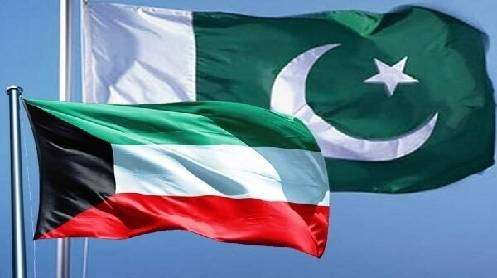
ISLAMABAD: Pakistan and Kuwait are holding preliminary discussions on expanding bilateral defence cooperation alongside enhanced energy collaboration and investment, according to a Reuters report citing sources familiar with the matter.
The proposed framework would link deeper security cooperation with stronger energy ties. According to the report, Kuwait is seeking broader military assistance from Pakistan, including troops, fighter aircraft, drones, air defence systems and other defence support under an arrangement similar to Islamabad’s longstanding security partnership with Saudi Arabia.
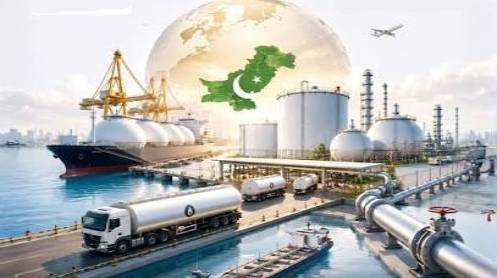
In return, Pakistan is seeking enhanced energy security cooperation from Kuwait, including larger strategic fuel reserves, the possibility of establishing bonded fuel storage facilities, and expanded collaboration under the existing diesel supply agreement.
The discussions are currently at an early stage, and no final agreement has been reached.
A Pakistani security official told Reuters that the deployment of Pakistani combat troops is not under consideration at this stage, adding that the ongoing negotiations may not necessarily result in a formal mutual defence pact.
Neither the governments of Pakistan nor Kuwait had officially commented on the reported discussions at the time of filing.
Pakistan and Kuwait have maintained a limited defence cooperation agreement since 2023, focusing primarily on military training, joint exercises and defence collaboration.
According to Reuters, the latest talks are taking place against the backdrop of heightened geopolitical tensions in the Middle East, including renewed hostilities involving the United States and Iran. The report noted that Islamabad remains mindful that any expanded defence commitments to Gulf countries could affect its broader diplomatic efforts and its role in promoting regional stability.
If concluded, an expanded defence and energy cooperation framework could further strengthen bilateral relations while supporting Pakistan’s efforts to enhance long-term energy security through closer partnerships with Gulf energy producers.