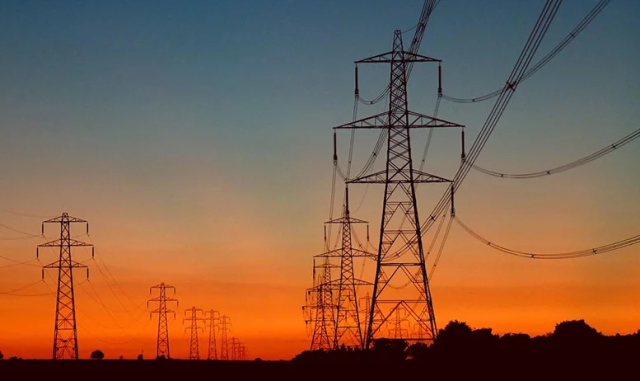
ISLAMABAD: Amid growing concerns over a possible resurgence of nationwide electricity load-shedding during the summer season, Pakistan has once again turned to the spot liquefied natural gas (LNG) market to secure urgent fuel supplies for power generation as the Strait of Hormuz remains closed due to the Iran-US conflict.
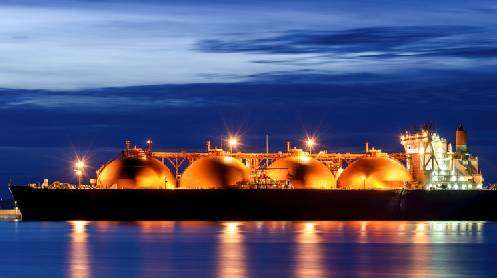
State-owned Pakistan LNG Limited (PLL) has floated a tender for two spot LNG cargoes, with bids scheduled to open on May 7. The cargoes are required for delivery during May 12–14 and May 24–26. PLL is seeking approximately 140,000 cubic metres of LNG, equivalent to nearly 100 million cubic feet per day (mmcfd) of gas supply.
The move comes after the government arranged a spot LNG cargo at a record-high rate of $18.4 per million British thermal units (mmBtu) to address severe electricity shortages that had triggered 10 to 16 hours of load-shedding across the country, sparking public and political criticism.
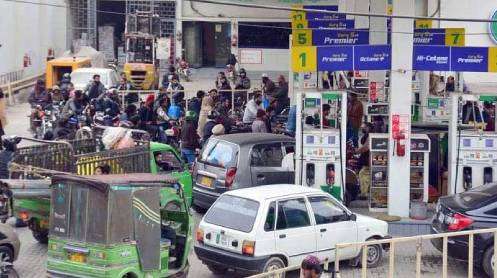
Pakistan State Oil (PSO) has traditionally been importing LNG from Qatar at around $13 per mmBtu for supply to power plants. However, LNG supplies from Qatar have reportedly been disrupted after the Gulf state declared force majeure due to the ongoing Iran-US conflict, resulting in gas shortages for electricity generation in Pakistan.
Energy experts warn that the higher cost of LNG procured from the spot market is likely to increase electricity generation costs, which may ultimately lead to higher power tariffs and increased consumer bills in the coming months.
Following the arrival of an earlier spot LNG cargo, Federal Minister for Power Awais Leghari announced an end to load-shedding, attributing the improvement to restored fuel availability.
The government is now preparing to secure two additional LNG cargoes to avoid further disruptions to electricity supply as uncertainty over regional energy routes continues.
According to the Power Division, the recent load-shedding experienced in several parts of the country was primarily caused by shortages of natural gas for power generation rather than any failure in the national transmission system or lack of installed generation capacity.
Consumers reportedly faced up to five hours of electricity outages on April 13 and 14, although the government later claimed that no load management was carried out between April 17 and 19.