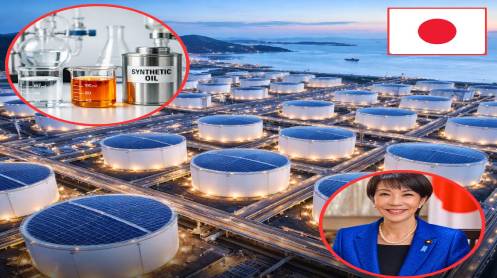
TOKYO: Japan’s largest oil refiner ENEOS Corporation has successfully demonstrated a new synthetic fuel that can potentially replace conventional petrol and diesel, marking a significant step toward cleaner energy alternatives.
The fuel is produced using carbon dioxide captured directly from the air and hydrogen extracted from water, forming a carbon-recycling process aimed at reducing dependence on fossil fuels and cutting emissions.
According to the company, the project is currently in the testing phase, but if approved and scaled up, it could offer a cost-effective alternative to traditional fuels in energy-importing countries such as Pakistan, India, Bangladesh, and Sri Lanka, where fuel prices remain a major economic challenge.
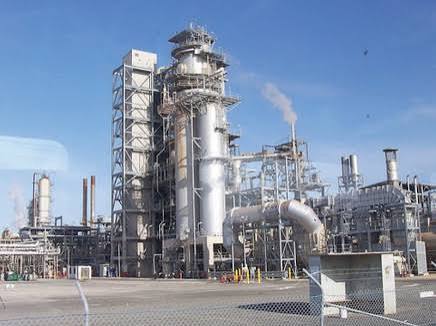
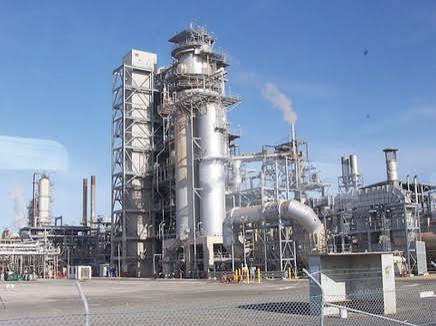
ENEOS has established a demonstration facility at its Central Technical Research Laboratory in Yokohama. The plant is currently capable of producing around one barrel—approximately 160 litres—of synthetic fuel per day as part of ongoing research and development efforts.
The initiative is part of a broader global push toward carbon-neutral fuels, which aim to utilise captured carbon emissions rather than releasing them into the atmosphere, potentially reshaping the future of transport and energy systems.