ISLAMABAD: Electricity consumers across Pakistan may face an increase of up to Rs1 per unit in power tariffs as the government grapples with the financial fallout of diverting indigenous gas supplies to LNG-fired power plants during the recent US-Iran conflict.
According to sources, the Petroleum Division is seeking approval to charge higher tariffs on locally produced gas supplied to LNG-based power plants, a move aimed at reducing mounting losses in the gas sector and preventing further accumulation of circular debt, which has reached approximately Rs1.8 trillion.
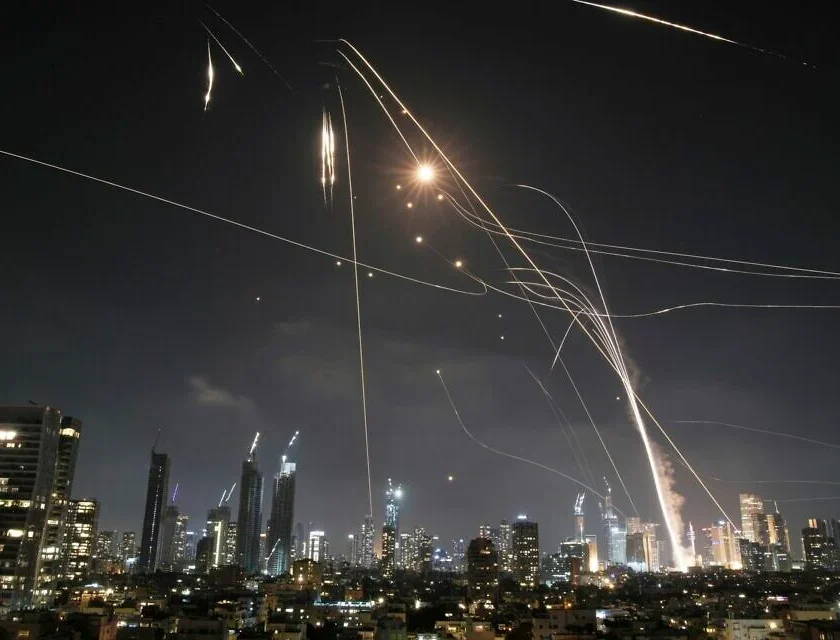
The issue emerged after the disruption of LNG supplies from Qatar following the outbreak of the Persian Gulf crisis in February 2026. In response, the National Coordination and Management Council (NCMC) decided to divert indigenous gas to re-gasified LNG (RLNG)-based power plants during April, May, and June 2026 to ensure uninterrupted electricity generation.
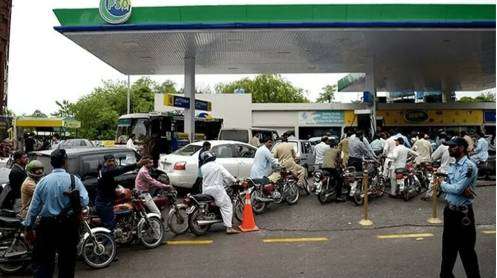
To meet the increased demand from power plants, Sui Northern Gas Pipelines Limited (SNGPL) redirected around 48 million cubic feet per day (mmcfd) of gas from CNG stations in Khyber Pakhtunkhwa. The gas supplied to CNG stations carries a tariff of Rs3,750 per mmBtu, significantly higher than the average prescribed gas price of Rs1,853 per mmBtu determined by the Oil and Gas Regulatory Authority (OGRA) for FY2026.
Meanwhile, OGRA had fixed RLNG prices at $12.49 per mmBtu (Rs3,498) for March 2026 and $15.62 per mmBtu (Rs4,375) for May 2026.
During discussions at the NCMC, officials noted that charging power plants the full notified RLNG tariff for the indigenous gas supplied in place of imported LNG could result in a fuel cost adjustment (FCA) increase of Rs0.50 to Rs1 per unit, ultimately raising electricity bills for consumers.
To shield consumers from higher electricity costs, the Power Division informed the Petroleum Division that a meeting chaired by the Prime Minister had agreed that indigenous gas supplied to RLNG-based power plants should be charged at a subsidized rate of Rs2,000 per mmBtu instead of the much higher RLNG tariff.
The Petroleum Division has subsequently proposed to the Economic Coordination Committee (ECC) that indigenous gas supplied to RLNG power plants during April, May, and June be billed at Rs2,000 per mmBtu. It has also recommended the creation of a ring-fenced payment mechanism through an escrow account to ensure timely payments and prevent further growth in circular debt.
Officials highlighted that the gas sector’s financial challenges are closely linked to outstanding receivables, including approximately Rs301 billion owed to Pakistan State Oil (PSO) for LNG sales to SNGPL.
The Petroleum Division further proposed that all RLNG supplied to power plants from April 2026 onward should be billed at OGRA-notified RLNG rates based on actual imported LNG costs. It also called for full settlement of FY2026 RLNG supply payments, including spot cargo purchases, by June 30, 2026.
In addition, the government is considering measures to ensure uninterrupted RLNG supplies to K-Electric during periods when contracted LNG cargoes are unavailable. Under the proposed framework, OGRA would determine monthly RLNG sale prices based on purchases made through SNGPL and other approved pricing mechanisms.
The latest developments underscore the challenges facing Pakistan’s energy sector as authorities attempt to balance consumer affordability, fuel supply security, and the growing burden of circular debt amid regional geopolitical uncertainties.
Story by Zafar Bhutta