By Staff Reporter
Thank you for reading this post, don't forget to subscribe!The federal government is now banking on increasing electricity consumption to solve the power sector’s cost crisis, rather than directly tackling losses and mismanagement, a meeting between Energy Minister Sardar Awais Ahmad Khan Leghari and the Pakistan Business Council (PBC) revealed on Thursday.
PBC CEO Javed Kureishi led a delegation that presented a framework projecting an additional 44 to 45 TWh of annual demand over the next 5-7 years. The proposal suggests pushing consumption in sectors like EVs, data centers, agriculture, railways, and industry to spread fixed capacity costs over more units and stabilize tariffs.
“Subsidize More, Charge Less” Model Questioned
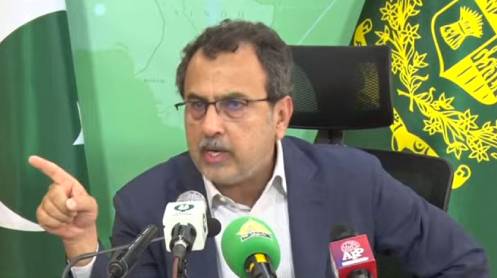
Minister Leghari said boosting demand and optimizing existing capacity is central to reforms. He announced a Time-of-Use (TOU) tariff to give industries discounted rates for consumption above their normal levels.
He also noted that 21 million consumers currently receive 40-50% subsidies and that the government is working to rationalize the cross-subsidy burden to protect consumers from “unmerited financial strain.”
However, critics argue the plan risks creating more circular debt if the additional demand is not matched by recovery and efficiency.
Least-Cost Promise, But No Action on DISCOs
The Minister reaffirmed the “least-cost generation” principle, stating that any project deviating from it will not have its costs passed to consumers. He also highlighted PKR 265 billion in savings from reducing DISCO losses over the last two years and pledged 100% electrification.
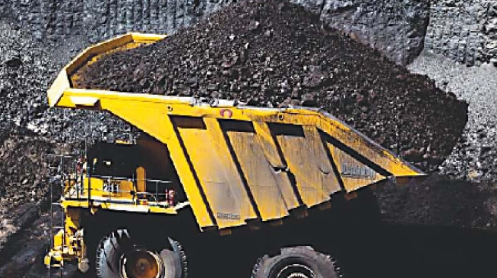
He further announced feasibility studies for converting imported coal plants to local coal are complete, calling it a move to save foreign exchange.
But the PBC framework and minister’s statement made no mention of concrete penalties for DISCOs, IPP capacity payments, or transmission bottlenecks — the core drivers of high tariffs.
Instead, the focus remains on “consuming more” to dilute costs, a strategy that puts the burden of fixing the system on increased usage rather than structural accountability of utilities.
The Minister welcomed PBC’s proposals, saying such consultations strengthen reforms aimed at balancing demand, cost, and consumer interests.