
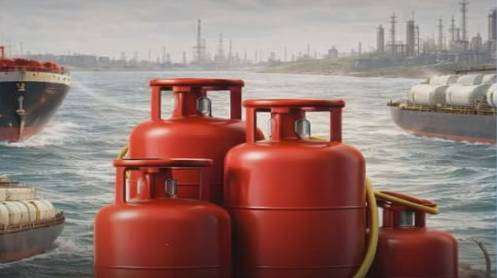
ISLAMABAD: Pakistan’s efforts to reduce liquefied petroleum gas (LPG) prices through large-scale imports have failed to provide the anticipated relief to consumers, as approximately 32,000 tonnes of imported gas remain stranded in a dysfunctional supply chain affected by tanker shortages, rising transportation costs and alleged market collusion.
Despite the arrival of two major LPG cargoes at sea terminals, domestic prices have remained high, exposing serious weaknesses in the management of imports, transportation and distribution of the essential fuel, industry sources said.
A senior Petroleum Division official identified the shortage of LPG tankers to transport imported supplies from sea terminals as the immediate cause of the disruption.
According to industry sources, a significant number of tankers have shifted towards the Iranian border, where transporting relatively cheaper LPG offers higher earnings. This has created a transportation bottleneck at ports and delayed the movement of imported supplies into the domestic market.
Data available as of November 24, 2026, shows that LPG inflows through the Iranian border have surged to approximately 7,500 tonnes per day, compared with normal daily volumes of around 3,000 to 3,500 tonnes.
The stranded imports comprise a 20,000-metric-tonne cargo at the Engro terminal, including 15,000 tonnes arranged by Sui Southern LPG Limited (SLL) and 5,000 tonnes by a private importer. Another 12,000-tonne cargo was arranged by Pakistan State Oil (PSO).
Meanwhile, the shortage of transportation facilities has sharply increased tanker rental charges from Rs22,000 to Rs50,000, significantly raising transportation costs and highlighting the influence of transport operators over the LPG supply chain.
The situation has undermined the government’s efforts to stabilise domestic LPG prices through increased imports, with consumers continuing to face high prices despite substantial supplies being available at sea terminals.
Story by Khalid Mustafa