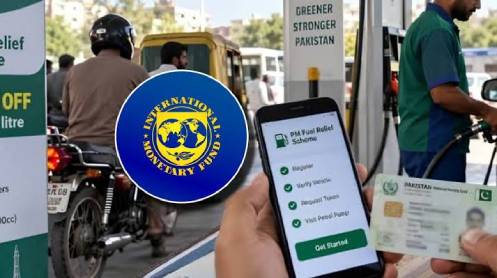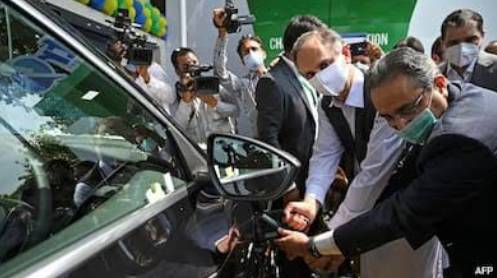
ISLAMABAD: Rising global oil prices amid the Middle East conflict are accelerating Pakistan’s transition towards electric vehicles (EVs), with the government expecting to achieve its adoption target ahead of schedule as consumers increasingly seek alternatives to petrol-powered vehicles.
According to Bloomberg, Haroon Akhtar, adviser to the prime minister on industries and production, said higher fuel costs had significantly shortened the payback period for electric vehicles, making them a more attractive option for consumers.
Pakistan’s EV policy, announced last year, aims to increase electric vehicles’ share of new vehicle sales to 30 per cent by 2030. Akhtar said the government now expected to achieve the target earlier than planned as rising petrol prices improved the financial case for switching to electric mobility.
He noted that consumers were increasingly recognising the cost advantages of EVs, particularly the potential savings on fuel expenses.
According to Pakistan State Oil Company Ltd data cited in the report, petrol and diesel prices have increased by 54 per cent and 43 per cent, respectively, since the Middle East conflict began in February. Akhtar said the higher fuel costs had reduced the estimated EV cost-recovery period to around one to one-and-a-half years.
EV Sales Gain Momentum
The government official said demand for electric mobility was already increasing, with sales of electric motorcycles and scooters tripling compared with a year earlier, while electric-car sales had doubled.
However, comprehensive industry-wide EV sales data are not publicly available, making it difficult to independently assess the scale of the market’s expansion.
Despite the growing interest, Pakistan’s transition to electric mobility faces several challenges, including the relatively high upfront cost of EVs and the need for a more extensive charging infrastructure. These constraints mean that a large-scale transformation of the country’s vehicle fleet and petroleum consumption will take time.
Nevertheless, even a gradual shift towards electric mobility could offer significant economic benefits by reducing dependence on imported petroleum products.
Petroleum Imports Add to Economic Pressures
Petroleum products accounted for nearly one-quarter of Pakistan’s total imports, amounting to $16.9 billion in the year ending June 2026, according to the Pakistan Bureau of Statistics.
Higher international oil prices can increase the country’s import bill, widen the trade deficit and place additional pressure on the rupee and domestic inflation.
Accelerating EV adoption could help reduce exposure to oil-price volatility over the longer term, provided that electricity generation, charging infrastructure and vehicle affordability support widespread adoption.
New Auto Policy May Offer EV Tax Incentives
Meanwhile, the government is preparing a new automotive policy that could be presented to the federal cabinet within the next two weeks, Akhtar said.
The proposed policy is expected to consider tax incentives for electric vehicles to narrow the price gap between EVs and conventional vehicles.
The policy has been under discussion since earlier this year but was delayed by negotiations over tariffs and export requirements. According to Akhtar, the draft has now been sent to Law Minister Azam Nazeer Tarar for the incorporation of the latest recommendations.
The proposed measures could play an important role in determining the affordability of electric vehicles and the pace of investment in Pakistan’s automotive industry.
The government’s latest assessment suggests that rising oil prices are strengthening the economic case for electric mobility. However, achieving the national EV target will also depend on supportive policies, competitive vehicle prices, accessible charging facilities and the development of a reliable ecosystem for electric transportation.