KARACHI: Pakistan is experiencing a renewed surge in power outages, with analysts warning that the situation may worsen in the coming weeks amid fuel supply disruptions and declining hydropower generation.
According to the Power Division, national electricity demand stands at approximately 18,000MW, while the system is facing a shortfall of around 4,500MW.
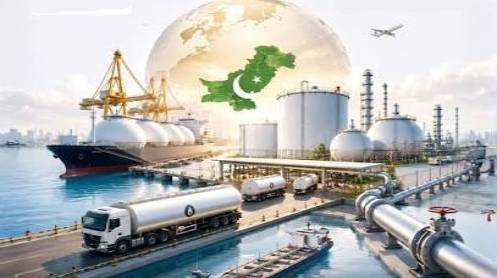
Energy experts attribute the widening gap primarily to disruptions in liquefied natural gas (LNG) supplies following the closure of the Strait of Hormuz, a key global energy transit route. The suspension of LNG shipments from Qatar has significantly impacted Pakistan’s power generation capacity, as gas-fired plants contributing between 4,000MW and 5,000MW are now operating below capacity or offline.
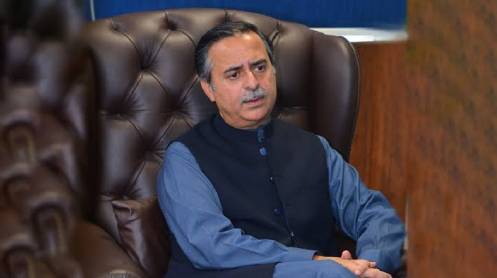
Power sector analyst Zian Babar Ali noted that this missing generation has created a substantial deficit in the national grid. Although alternative generation through diesel is technically possible, the government is avoiding its use due to the high cost, aiming to prevent further increases in electricity tariffs.
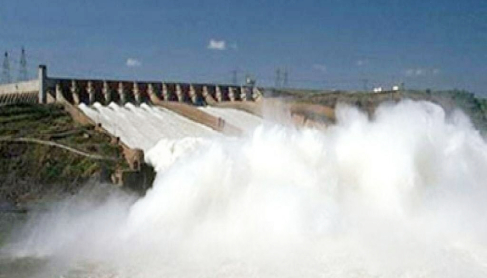
Compounding the issue, seasonal reductions in hydropower output have further constrained supply, intensifying load-shedding across the country.
Ali cautioned that the crisis is unlikely to ease soon, even if regional tensions subside, as LNG supply chains may not normalize immediately. He warned that a prolonged closure of the Strait of Hormuz could significantly aggravate the situation during peak summer demand.
Another analyst, Farhan Mahmood, echoed these concerns, stating that outages could become more widespread in the coming weeks. While some increase in coal-based generation is expected, reliance on expensive fuels remains unlikely as authorities seek to shield consumers from rising electricity costs.
With demand expected to climb further in the summer months, Pakistan’s power sector faces mounting pressure, raising concerns over energy security and economic stability.
Story by Tanveer Malik