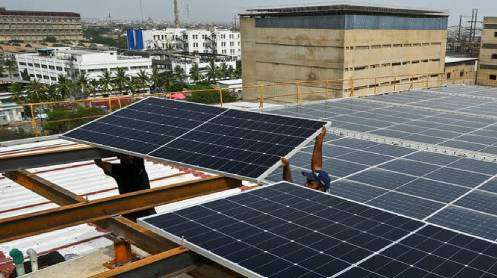
ISLAMABAD: Pakistan Peoples Party (PPP) lawmakers on Wednesday strongly criticised the government’s solar energy policy in the National Assembly, raising objections to proposed changes in net metering regulations and the imposition of taxes on solar panels.
The party described the measures as harmful to the growth of renewable energy and contrary to public interest.
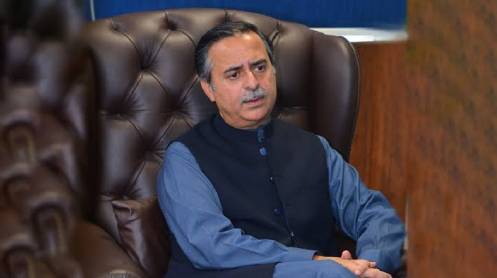
While moving a calling attention notice in the National Assembly, senior PPP leader Syed Naveed Qamar questioned the government’s approach toward solar energy adoption.
“The government has signed agreements with Independent Power Producers (IPPs), which continue to receive capacity payments from the public’s money, while ordinary citizens are being discouraged from adopting clean and renewable energy generated through domestic resources,” he said.
Qamar added that Pakistan spends billions of dollars annually on imported fuel for thermal power generation, yet the government is now proposing policy changes and taxes that could discourage investment in solar energy.
PPP lawmakers Shazia Marri, Sehar Kamran, Mirza Ikhtiar Baig, and Muhammad Shahryar Khan also expressed concerns over the revised solar policy, arguing that the measures could discourage consumers from generating electricity through indigenous and renewable energy sources.
Responding to the concerns, Federal Minister for Energy Sardar Owais Ahmad Khan Leghari defended the government’s policy, stating that despite changes in net metering regulations, applications for solar connections continue to be submitted at the same pace.
The minister noted that Pakistan generated nearly 74 percent of its electricity from indigenous energy resources last year, adding that the share is projected to rise to 94 percent within the next four years.
Leghari informed the House that the proposed policy amendments had remained under review for the past year and were approved by the Economic Coordination Committee (ECC) and subsequently by the federal cabinet after consultations with stakeholders.
He further stated that net metering regulations were initially introduced in 2017 and have been revised periodically in response to the declining global cost of solar infrastructure and changing market conditions.
Story by Naveed Butt