Lahore: Pakistan’s proposed New Energy Vehicle (NEV) policy, aimed at accelerating the transition towards cleaner transportation and reducing reliance on imported fuel, is facing increasing criticism from automobile manufacturers and local auto parts vendors who fear the framework could undermine the country’s existing automotive industry.
The draft policy seeks to promote transport electrification, reduce emissions, lower oil imports and develop a domestic electric vehicle ecosystem, while targeting 30 per cent NEV adoption by 2030. However, industry stakeholders argue that the proposed framework may unintentionally discourage the growth of fully electric vehicles (BEVs) by offering similar incentives to plug-in hybrid electric vehicles (PHEVs).
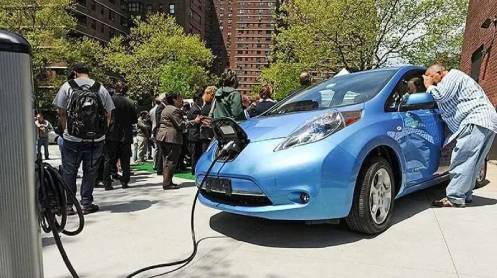
Executives from conventional automobile assemblers and local vendors believe that Pakistani consumers are more likely to choose PHEVs because of the country’s limited charging infrastructure. Although the policy proposes the installation of 3,000 charging stations nationwide by 2030, the current charging network remains minimal.
“The customer will naturally choose the safer option,” said an industry executive involved in policy discussions. “If consumers are uncertain about finding charging facilities during intercity travel, they will prefer vehicles that can switch back to petrol.”
Under the draft framework, battery electric vehicles (BEVs), plug-in hybrid electric vehicles (PHEVs), range-extended EVs and fuel-cell vehicles are all grouped under the NEV category. PHEVs capable of travelling only 50 kilometres in electric-only mode would still qualify for incentives.
Industry experts argue that this approach could widen the commercial gap between fully electric vehicles and conventional petrol vehicles while reducing the competitiveness of pure EVs, which continue to face higher battery costs.
Officials associated with Japanese automobile brands have also expressed concerns that the policy could threaten decades of localisation investment in Pakistan’s automotive sector.
“What doesn’t happen elsewhere in the world, happens here,” said a senior executive of a Japanese auto manufacturer. “Globally, there is a clear distinction between electric vehicles, hybrids and plug-in hybrids. Pakistan is removing that distinction.”
Former Pakistan Association of Automotive Parts and Accessories Manufacturers Chairman Aamir Allawala warned that the policy risks blurring the difference between zero-emission vehicles and transitional technologies.
“BEVs are zero-emission vehicles and should be encouraged, but PHEVs still rely on engines, fuel tanks and exhaust systems,” he said. “There has to be a distinction.”
Allawala further argued that local vendors continue to pay 18 per cent sales tax on imported raw materials, while imported or assembled PHEVs could receive significant incentives, potentially making localisation commercially unviable.
The draft policy itself acknowledges that Pakistan will initially rely heavily on imported NEVs and warns that this could negatively affect the trade balance if strong localisation measures are not implemented. However, industry representatives say the proposed framework lacks strict localisation requirements for companies benefiting from tax concessions and incentives.
The government believes the policy could reduce Pakistan’s oil import bill, improve air quality and generate cumulative fuel savings exceeding Rs537 billion by 2030. The framework also includes proposals for green financing mechanisms and workforce development programmes to support the transition.
Despite these goals, several stakeholders are urging policymakers to adopt a stricter battery electric vehicle-focused strategy rather than a broader NEV policy that equally incentivises plug-in hybrids.
Industry leaders argue that countries aggressively pursuing electrification are increasingly prioritising fully electric vehicles, while treating plug-in hybrids only as a temporary bridge technology rather than a long-term solution.
Story by Shahram Haq