SINGAPORE: Several vessels carrying Middle Eastern oil and liquefied natural gas (LNG) have resumed transit through the Strait of Hormuz, heading toward Pakistan, China, and other Asian destinations despite ongoing regional tensions and severe disruptions to maritime traffic.
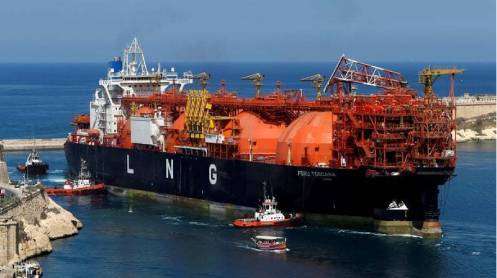
According to shipping data from LSEG and Kpler, LNG tanker Fuwairit crossed the Strait of Hormuz on Monday and is expected to deliver its cargo to Pakistan on Tuesday. The Bahamas-flagged vessel had loaded LNG at Qatar’s Ras Laffan Industrial City around March 28.
The vessel is owned by Mitsui O.S.K. Lines, one of the world’s leading shipping companies.
Another LNG tanker, Al Rayyan, has also exited the strategic waterway after loading cargo at Ras Laffan. Shipping data indicates the vessel is currently positioned outside the strait between Iran and Oman and is expected to discharge LNG in China on June 27.
The tanker is owned by QatarEnergy.
Meanwhile, the Very Large Crude Carrier (VLCC) Eagle Verona exited the Strait of Hormuz on Saturday carrying nearly two million barrels of Iraqi Basrah crude destined for China. The Singapore-flagged vessel is expected to arrive at Ningbo port in eastern China on June 12.
The vessel, chartered by Unipec, the trading arm of Sinopec, had reportedly remained stranded for nearly three months before finally departing the Gulf.
Sources earlier told Reuters that Eagle Verona was among seven ships for which Malaysia had sought Iranian permission to transit the waterway. Five of those vessels have since exited the Gulf, while two remain inside the region.
The ongoing US-Israel conflict involving Iran, which reportedly began on February 28, has significantly impacted shipping through the Strait of Hormuz — one of the world’s most critical energy chokepoints through which nearly one-fifth of global oil and LNG supplies normally pass.
Despite the disruptions, a limited number of supertankers continue to navigate the route under special transit arrangements directed by Iranian authorities. Last week, three VLCCs carrying around six million barrels of crude successfully sailed to China and South Korea.
Prior to the conflict, daily traffic through the Strait of Hormuz averaged between 125 and 140 vessel passages. Current disruptions have left approximately 20,000 seafarers stranded aboard hundreds of ships within the Gulf region.
By Reuters