ISLAMABAD: Pakistan’s rapidly expanding use of solar energy is increasingly undermining the economic case for coal-fired power generation, although the government continues to view coal as a central pillar of its long-term energy security strategy, according to a new report by Global Energy Monitor (GEM).
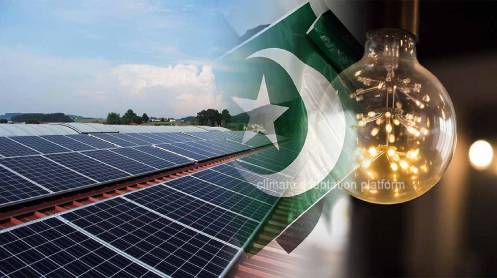
The report, Boom and Bust 2026, highlights a strong bottom-up growth in solar adoption across Pakistan, estimating that nearly 25% of the country’s electricity consumption in 2025 will come from solar power—largely driven by off-grid and distributed systems.
Despite this shift, the report notes that Pakistan has not committed to phasing out coal power plants. None of the country’s operational coal-fired plants currently has a scheduled retirement timeline, and coal exit targets are not included in Pakistan’s Nationally Determined Contributions (NDCs) under its climate commitments.
Energy analysts warn that continued reliance on coal could place additional financial strain on the power sector as cheaper renewable alternatives expand their share of the energy mix.
Lucy Hummer, senior researcher at GEM’s Global Coal Plant Tracker, said the issue has moved beyond simple energy security concerns, noting that Pakistan is part of a broader global transition where coal is becoming increasingly uneconomical.
The report also flags concerns over proposals by coal-based independent power producers seeking extended long-term guarantees, which could lock Pakistan into coal dependency for another decade and limit space for renewable energy integration.
Policy experts, including Shaheera Tahir of the Policy Research Institute for Equitable Development (PRIED), said regional instability and geopolitical tensions have influenced energy policy choices, with a growing preference for shifting from imported coal to locally sourced coal to reduce external vulnerabilities.
However, she noted that despite regulatory hurdles such as a 10% tax on solar panels and other discouraging measures, households continue to rapidly adopt distributed solar systems to reduce dependence on the national grid.
PRIED communications specialist Zahra Naeem warned that renewed investment in local coal risks creating long-term fossil fuel overcapacity at a time when consumer demand is shifting toward cheaper and more reliable renewable energy solutions.
At the global level, the report found that while coal-fired capacity increased by 3.5% in 2025, actual coal-based electricity generation declined by 0.6%, indicating a widening gap between new coal projects and real energy demand.
China and India remained the leading drivers of coal development, although both countries are simultaneously experiencing falling coal generation due to rising renewable energy output.
The report also noted a decline in global coal expansion momentum, with the number of countries developing or proposing new coal plants dropping from 38 in 2024 to 32 in 2025, suggesting a gradual concentration of coal investment in fewer regions worldwide.