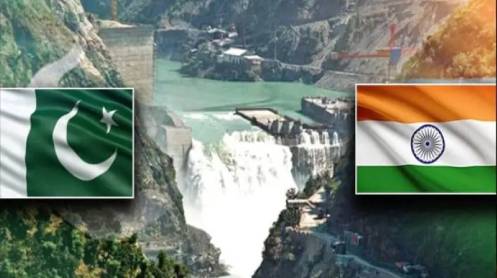
UNITED NATIONS/ISLAMABAD: Pakistan has urged the United Nations Security Council to take notice of what it describes as India’s violations of the Indus Waters Treaty, warning that such actions could have serious implications for regional stability and water security.
Deputy Prime Minister and Foreign Minister Ishaq Dar called on the Security Council to address the situation, stressing the need for urgent attention to what Pakistan views as a deteriorating regional water dispute.
Pakistan’s Permanent Representative to the UN, Ambassador Asim Iftikhar Ahmad, delivered an important letter from the Deputy Prime Minister and Foreign Minister to the President of the Security Council, Colombia’s Permanent Representative Leonor Zalabata Torres.
In the letter, Pakistan expressed serious concern over India’s alleged breaches of the Indus Waters Treaty and urged the Council to take immediate notice of the escalating situation.
Pakistan stated that India’s actions are contrary to the spirit of the treaty as well as international obligations, and called on the Security Council to hold New Delhi accountable for what it described as clear violations.
The letter specifically highlighted two water infrastructure projects on the Chenab River system, saying they are inconsistent with treaty provisions and could significantly impact regional water balance.
According to Pakistan’s position, India’s controversial hydropower and water-related projects are aimed at influencing and potentially diverting the flow of the Chenab River, raising concerns over Pakistan’s water rights under the agreement.
Pakistan further alleged that India is using water as a strategic tool, which it says violates not only the Indus Waters Treaty but also broader principles of international law.
Islamabad has urged the Security Council to take the matter seriously and play its role in ensuring peace, stability, and respect for international agreements in South Asia.