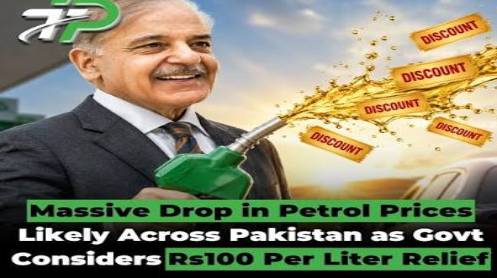
ISLAMABAD: Pakistan is expected to witness a significant reduction in petroleum product prices, with estimates suggesting a possible cut of Rs70 to Rs100 per litre, as international crude oil prices continue to decline sharply following easing geopolitical tensions in the Middle East.
The anticipated relief comes after reports of a US-Iran ceasefire agreement and improved global energy supply outlook, which have already triggered a steep fall in international oil prices. Officials indicate that the government is preparing to pass on the full benefit of the global price decline to consumers.
According to Petroleum Division sources, no formal pricing working has been finalised yet; however, Prime Minister Shehbaz Sharif has directed authorities to ensure that reductions in global oil prices are directly transferred to the public.
Consultations are currently underway, and a final decision will be announced after approval from the Prime Minister. The government is also expected to apply the existing petroleum pricing formula in determining the revised rates.
Officials added that the proposed reduction will be implemented through a structured pricing mechanism, ensuring transparency and consistency in future fuel price adjustments.
Global oil markets have witnessed sharp volatility in recent months. Before the Iran conflict, crude oil was trading around $73 per barrel, but during the height of tensions it surged above $126 per barrel. Recently, prices have dropped significantly, with US crude trading near $79 per barrel and Brent crude around $81 per barrel after a decline of more than 7% in a single trading session.
State Minister for Law and Justice Barrister Aqeel Malik also suggested in a television interview that fuel prices in Pakistan could see a major reduction as early as Friday, coinciding with the expected signing of a US-Iran agreement. He estimated that the decline could range between Rs100 and Rs150 per litre depending on global market trends.
Pakistan has seen frequent fluctuations in fuel prices over the past months due to global market instability, including sharp increases and periodic relief measures. Petrol prices previously surged to historic highs above Rs450 per litre before being reduced in subsequent revisions following changes in international crude rates.
The government is now under increasing pressure to provide relief to consumers as falling global oil prices continue to strengthen expectations of a substantial reduction in domestic fuel rates in the upcoming pricing review cycle.