ISLAMABAD: The Special Investment Facilitation Council has assured that a major tax distortion affecting Pakistan’s oil refining sector will be addressed in the upcoming federal budget for 2026-27, paving the way for long-delayed refinery upgradation projects.
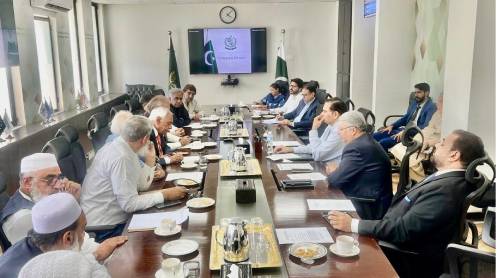
The assurance was given by Sajid Mahmood Qazi, Additional Secretary of SIFC, during a question-and-answer session at the CFO Conference 2026 organized by the Institute of Chartered Accountants of Pakistan.
Speaking at the event, Qazi acknowledged that Pakistan remains a challenging destination for investment due to persistent issues such as energy pricing, policy inconsistency, and taxation hurdles.
He emphasized the need for stable and predictable policies, particularly in taxation, to enable businesses and investors to make long-term decisions regarding expansion, modernization, and new investments.
“The investors and businesses should have the opportunity to follow one consistent policy for making investments and setting up their businesses. The policy should not be changed abruptly by the government,” he stated.
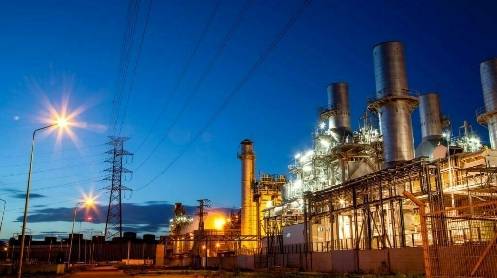
Referring to the refinery sector, Qazi said that changes in tax laws had adversely impacted the implementation of the Brownfield Refinery Upgradation Policy, creating significant operational and financial bottlenecks for oil refineries.
He revealed that after extensive consultations involving the Federal Board of Revenue, the Ministry of Finance, and the Petroleum Division, the government has prepared proposals to resolve sales tax complications and other operational challenges in the upcoming budget.
According to him, once the sales tax issue is addressed, oil refineries are expected to accelerate investments and implementation under the Brownfield Refinery Upgradation Policy.
Qazi also highlighted energy pricing as one of the major concerns discouraging investment in Pakistan, noting that several unresolved issues continue to create obstacles for local investors.
Despite these challenges, he praised Pakistan’s business community for maintaining growth and resilience under difficult economic conditions marked by taxation pressures, high energy costs, and elevated discount rates.
He noted that the market had recently witnessed several new Initial Public Offerings (IPOs), which reflected growing investor confidence and positive market sentiment.
“Despite all roadblocks, the business community is doing a remarkable job,” he remarked.
During the conference, former minister of state and renowned chartered accountant Ashfaq Tola stressed the importance of introducing structural economic reforms tailored to Pakistan’s domestic realities rather than replicating foreign investment models.
He questioned the long-term effectiveness of repeated IMF programmes, observing that Pakistan had already entered 23 programmes with the International Monetary Fund and was preparing for another, yet fundamental policy reforms remained limited.
Tola also pointed out the government’s continued inability to effectively tax sectors such as agriculture, retail trade, and exports.
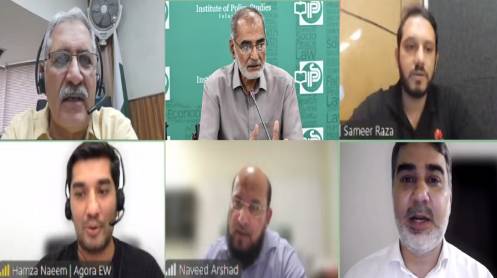
Meanwhile, economist Haroon Sharif observed during the panel discussion that foreign investment would only increase when local investors themselves expand operations and undertake fresh investments.
He added that geopolitical uncertainties and regional risks continue to negatively affect Pakistan’s investment climate and foreign investor confidence.
Story by Sohail Sarfraz